
Tobias ToMar Maier · CC BY-SA 4.0. Resized; thumbnails may be cropped.

Subjects & light
Window light portraits
Distance, face direction and a simple reflector let you shape window light deliberately.
30 articles
Adapt light, movement and shooting distance to the subject in front of you.
Subjects & light
Distance, face direction and a simple reflector let you shape window light deliberately.

Subjects & light
Reflections are usually controlled by changing the geometry of light, glasses and camera.

Subjects & light
Prepare position and lighting before the animal stays still for a brief moment.
Subjects & light
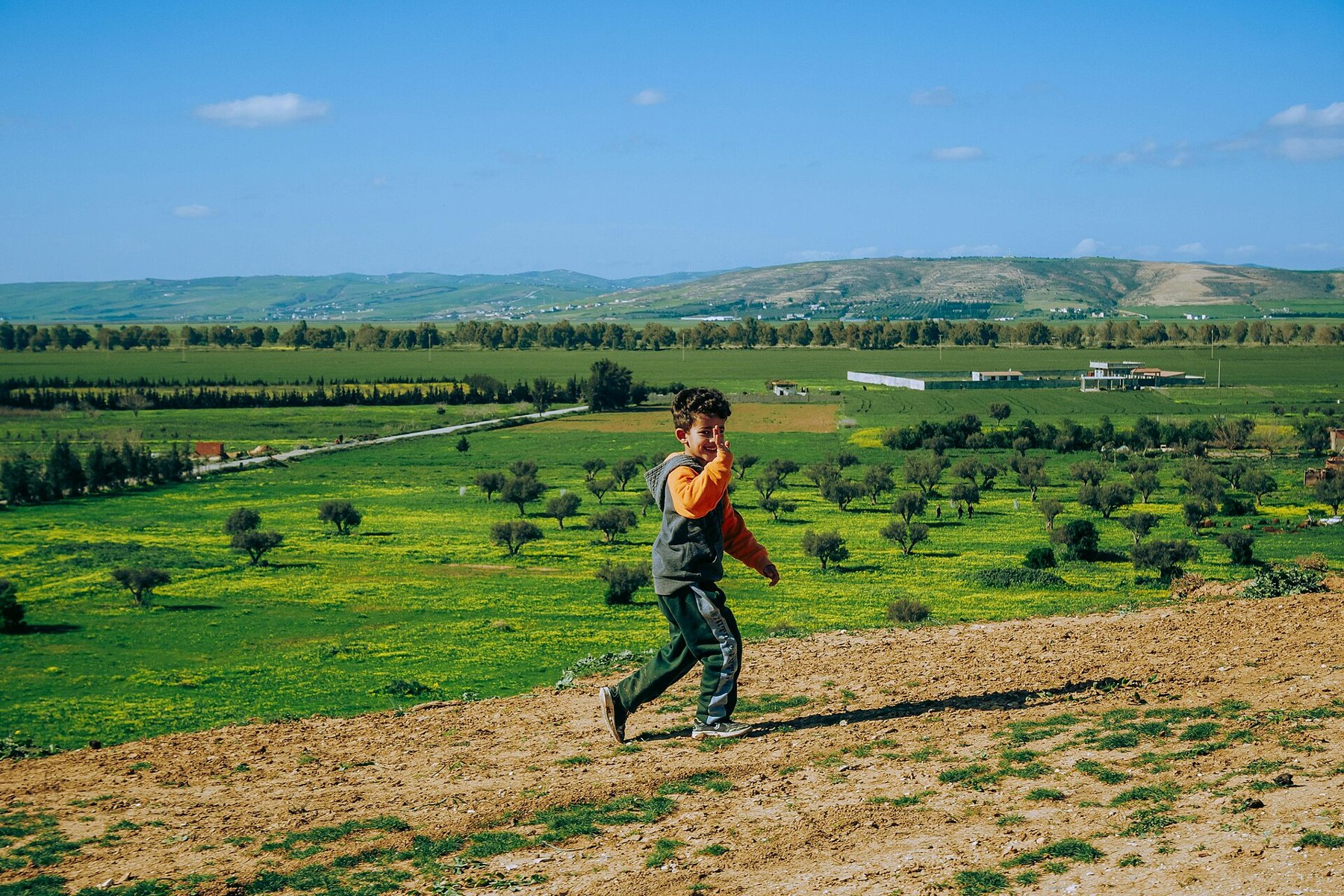
Prepare light and background, then let movement happen within that frame.
Subjects & light
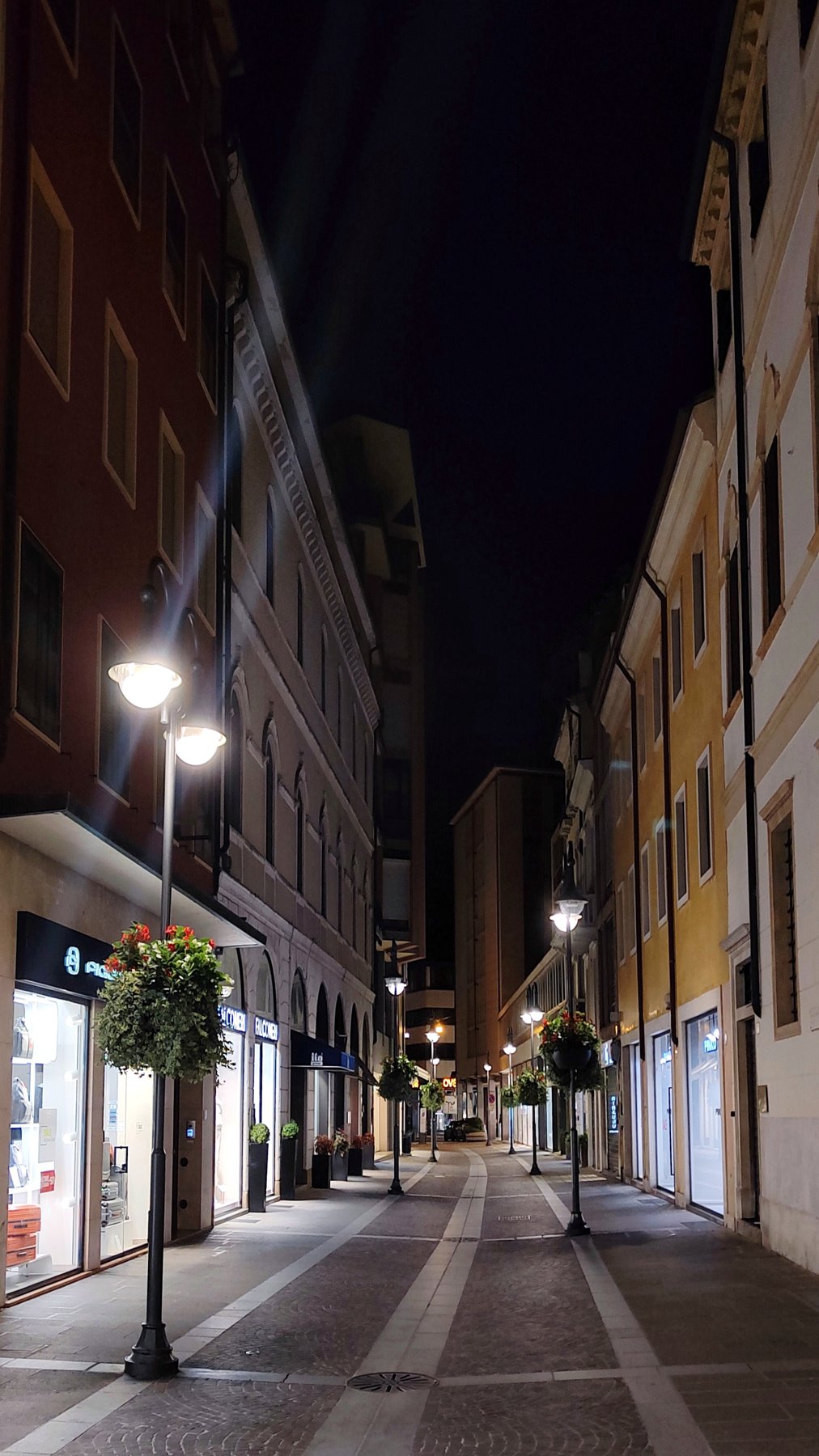
Illuminated signs, pedestrians and dark facades call for different exposure decisions.
Subjects & light
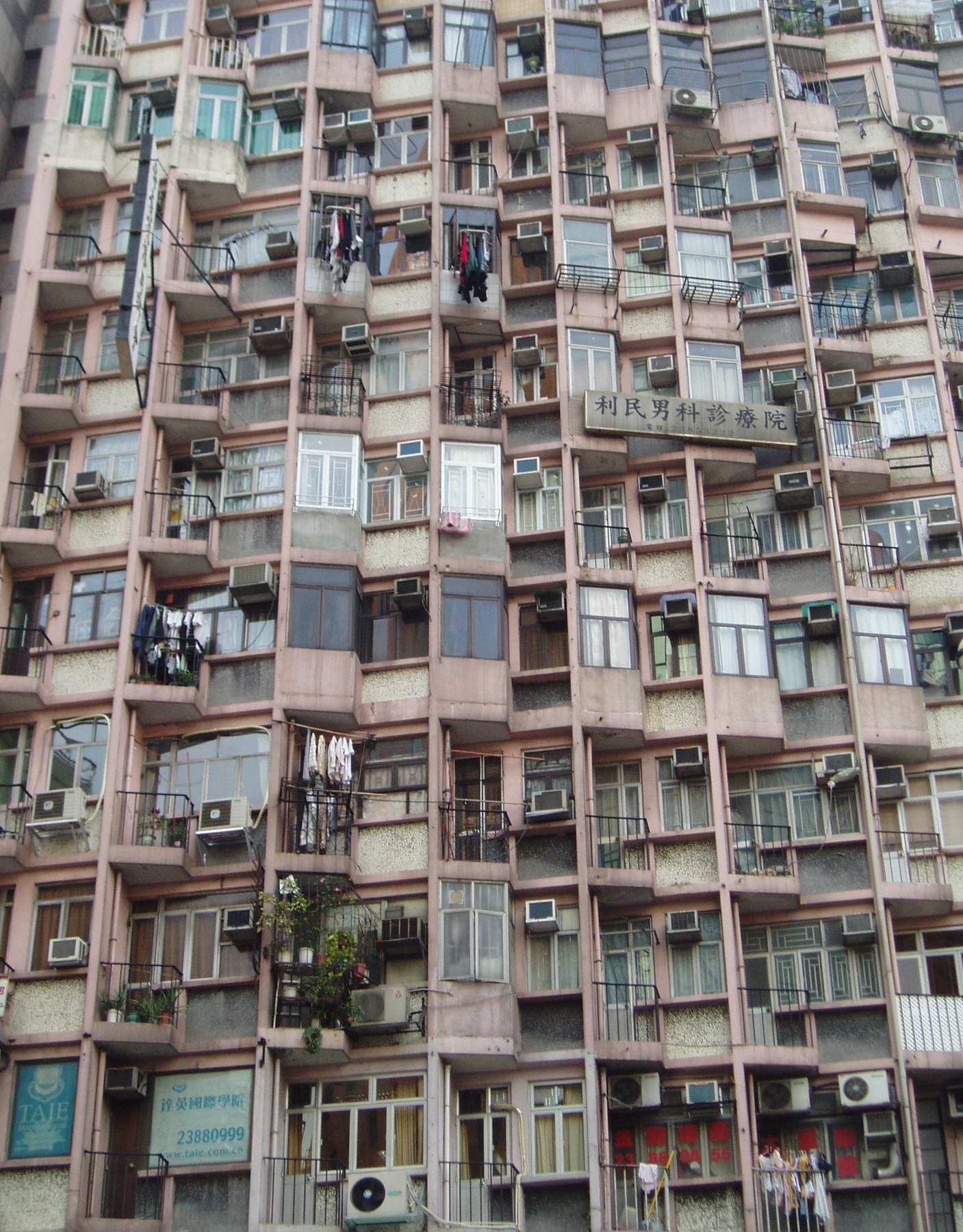
Straight building edges begin with camera height and alignment, not only an editing slider.
Subjects & light
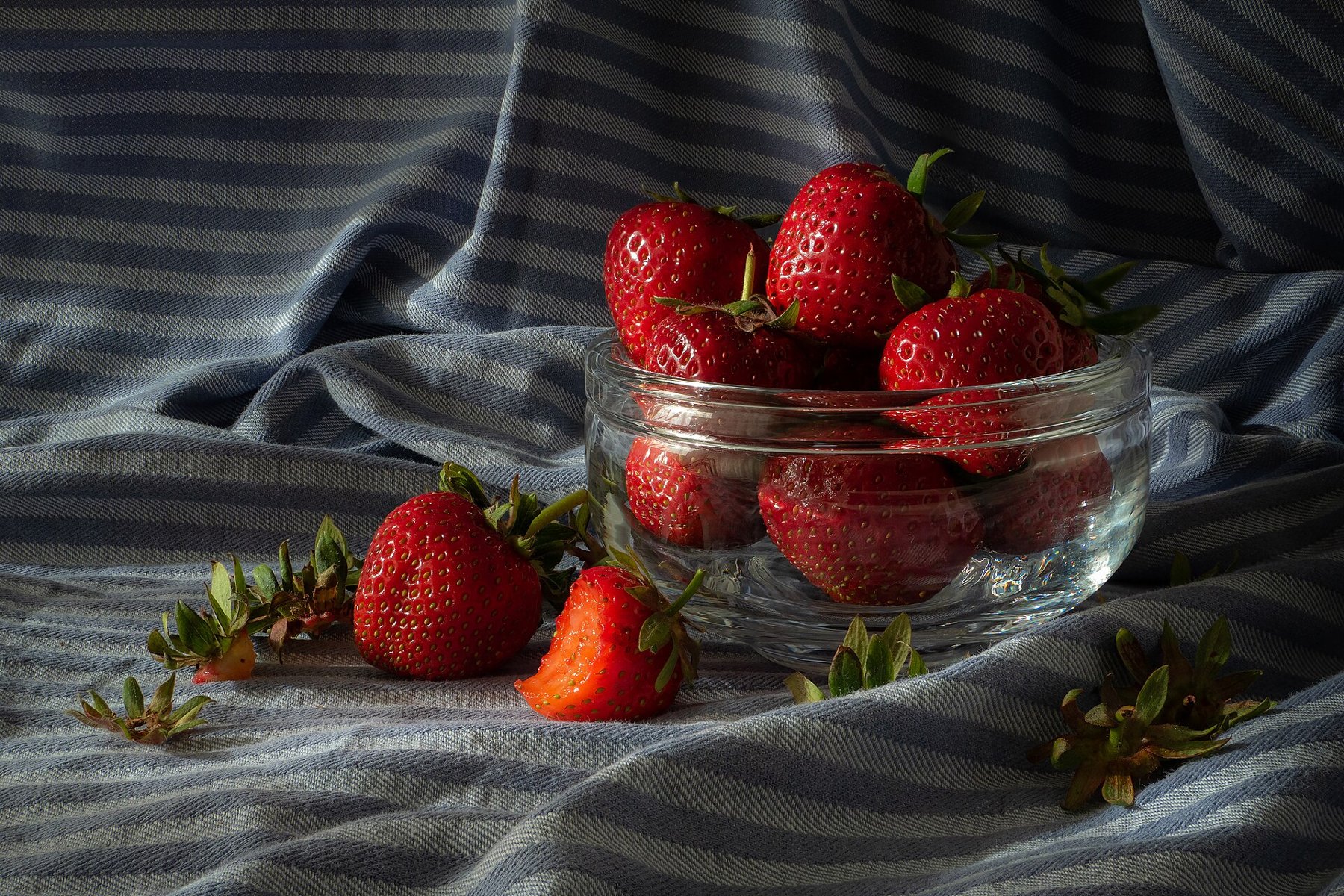
Side light reveals surfaces; the right viewpoint explains the shape of the dish.
Subjects & light
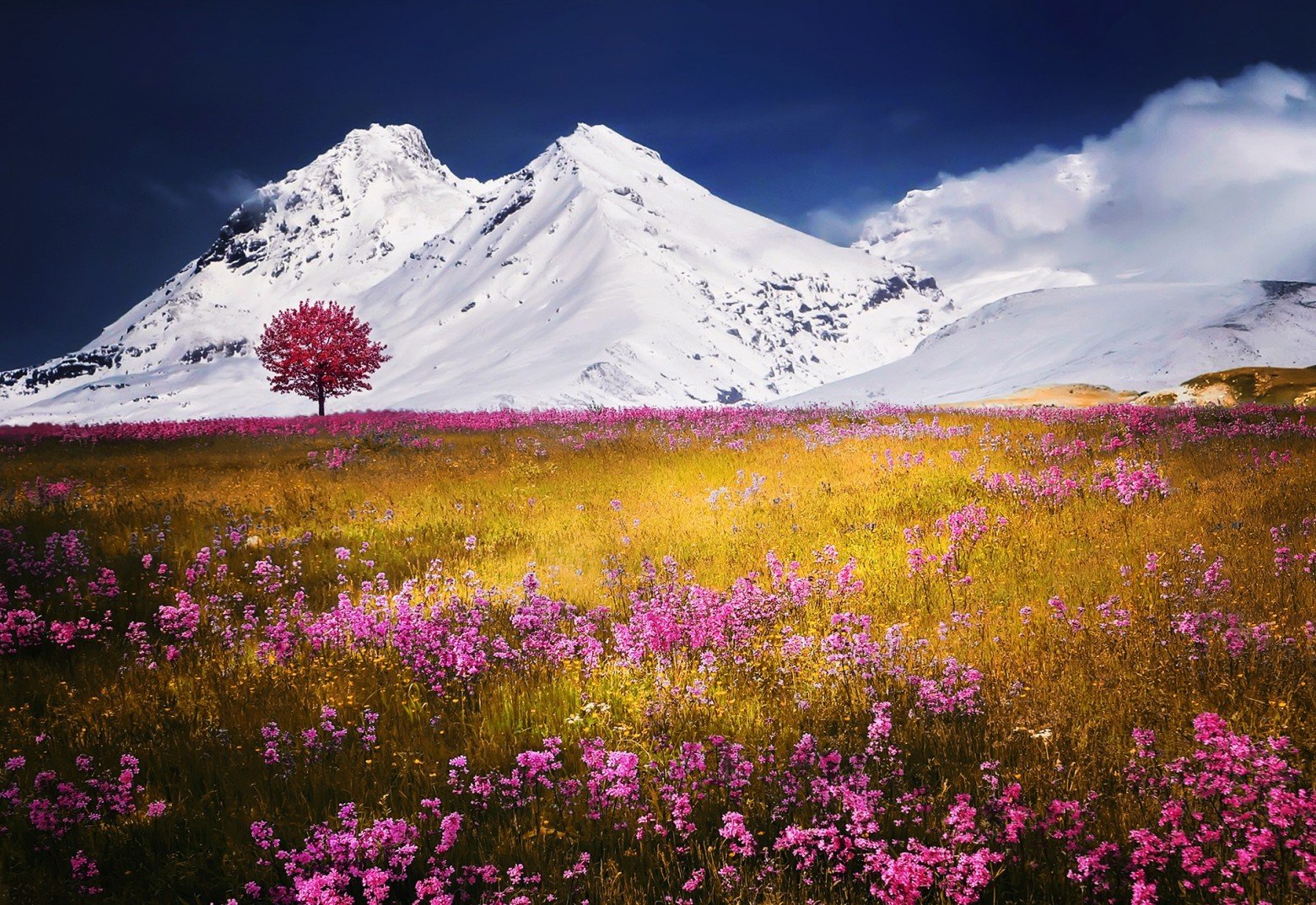
In close-ups, wind changes both the flower’s position and its distance from the focus plane.
Subjects & light
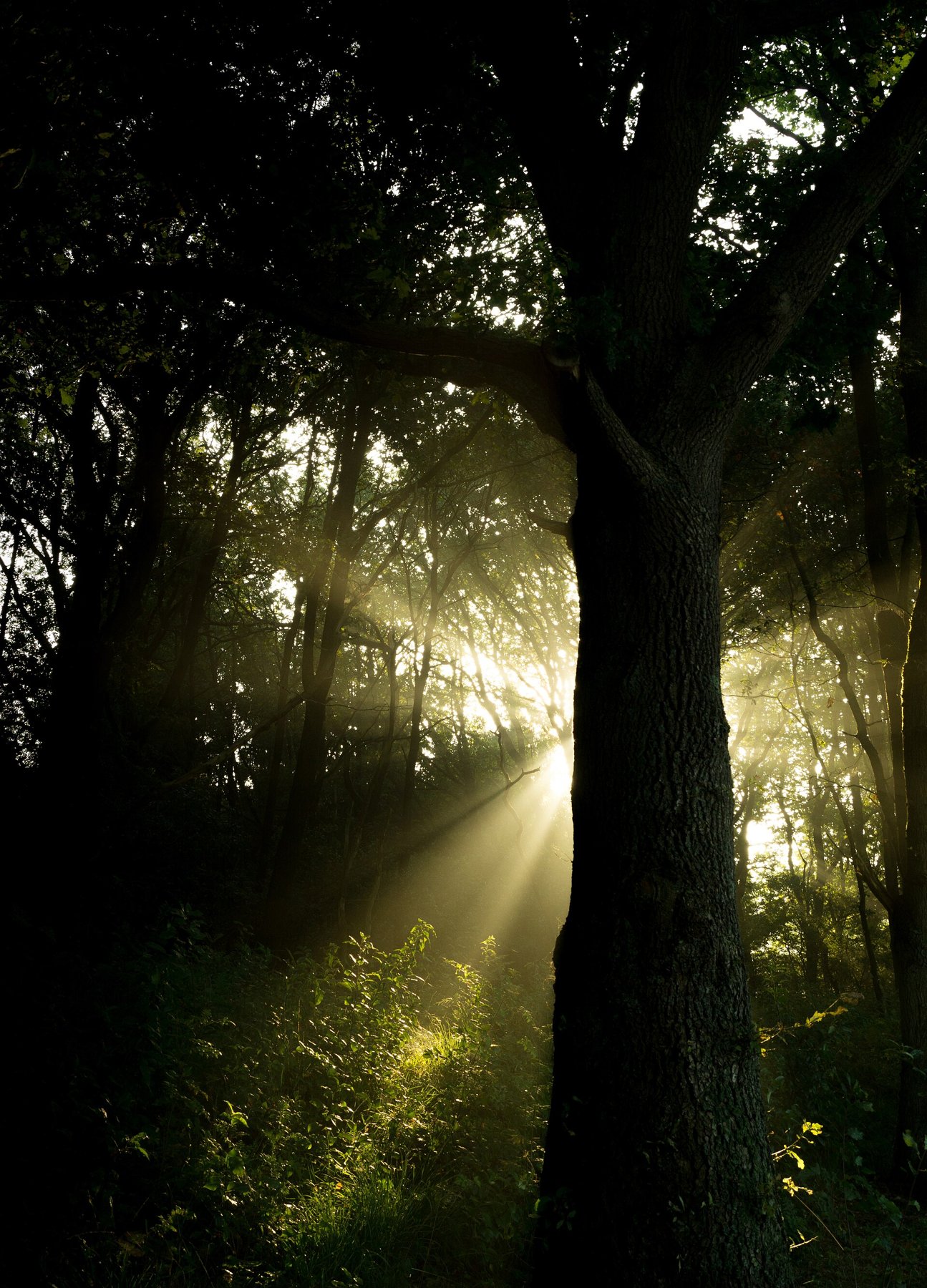
In woodland, selecting light patches and trunks clearly helps more than including the widest possible view.
Subjects & light
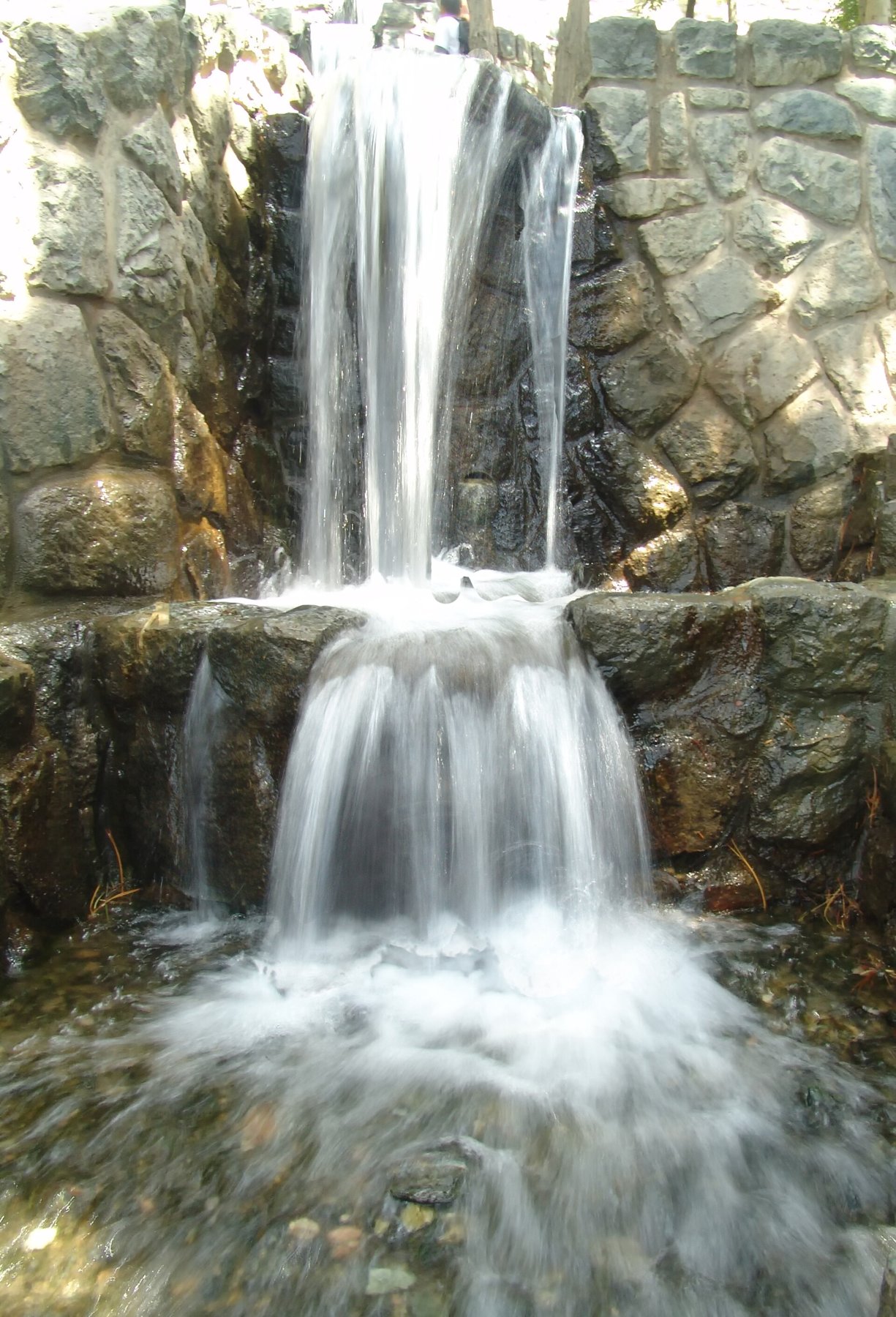
Exposure time determines whether water appears as droplets, flowing texture or a smooth surface.
Subjects & light
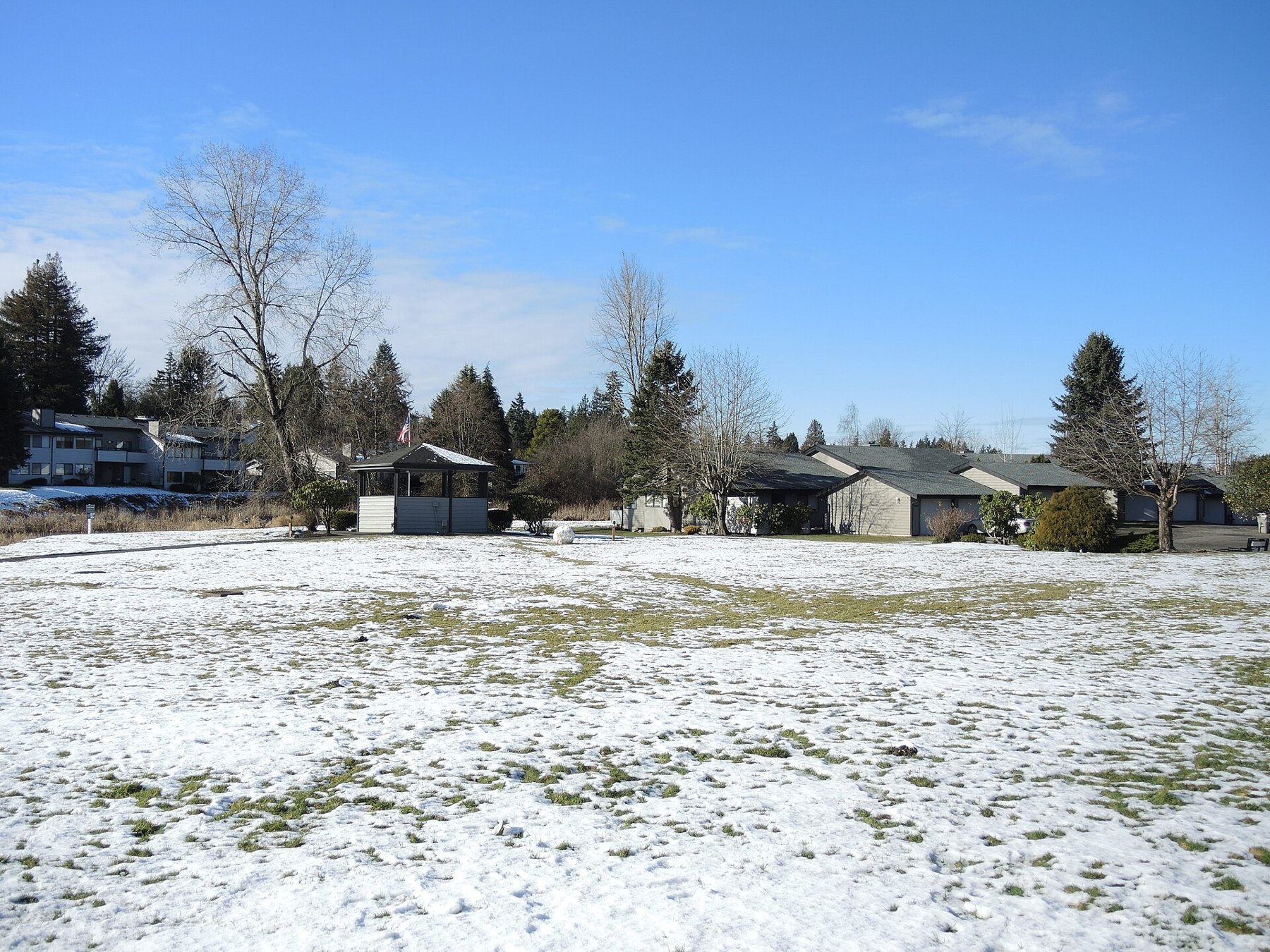
Bright snow can sit towards the right of the histogram while important textures remain intact.
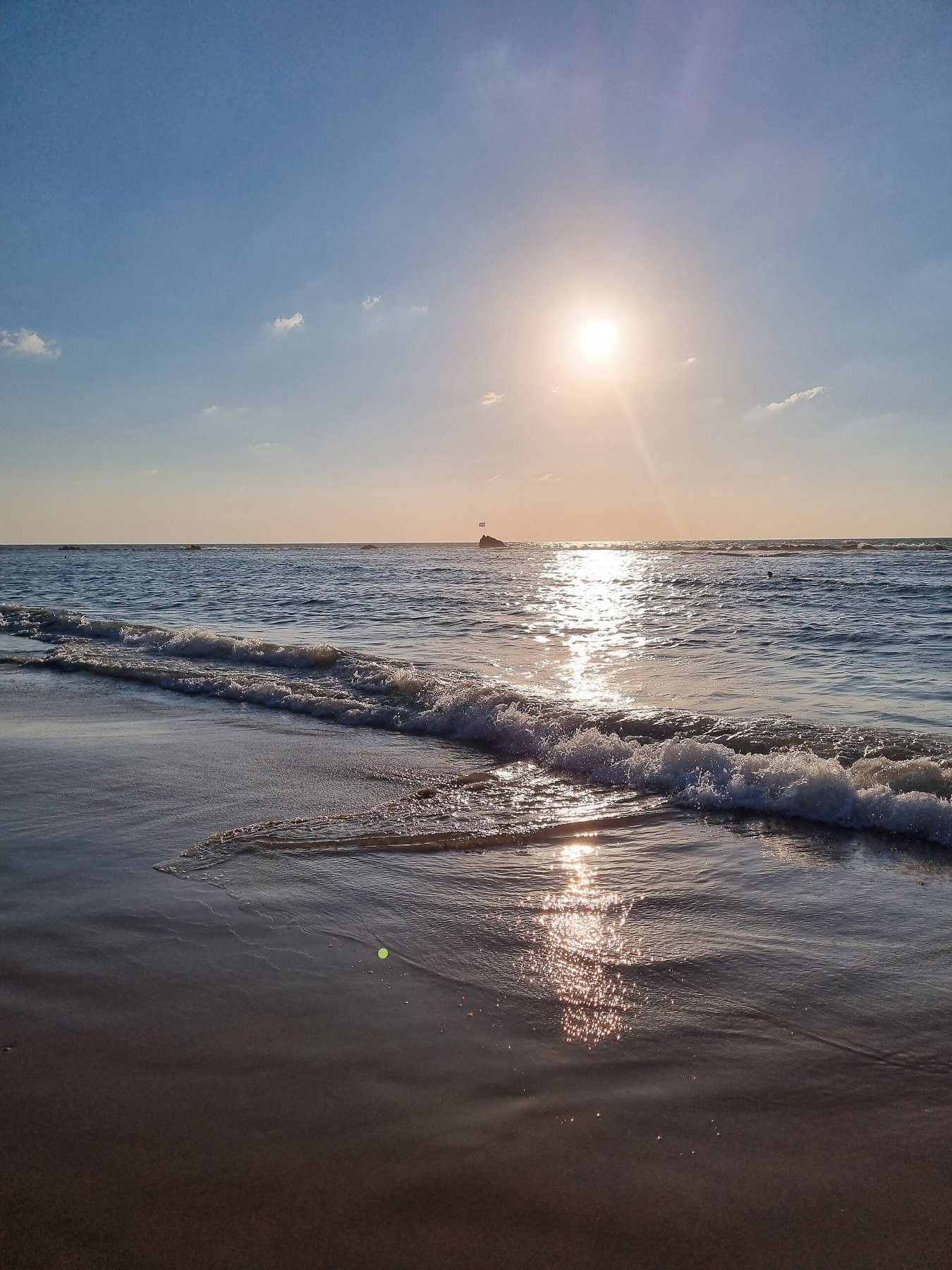
Subjects & light
At the beach, bright surfaces, moving water and strong reflections interact.
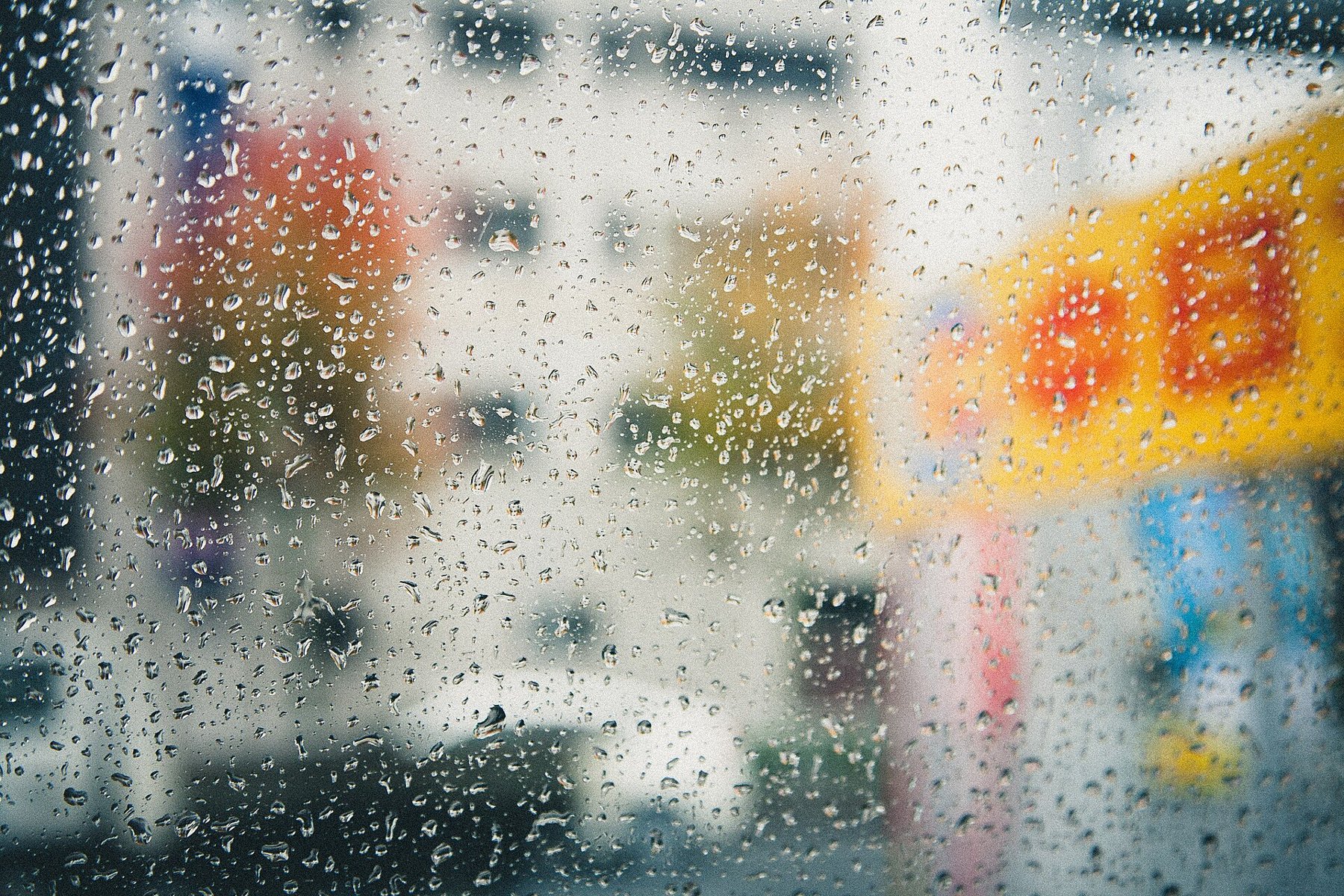
Subjects & light
Choose between sharp droplets and a readable exterior; they often lie far apart in focus.
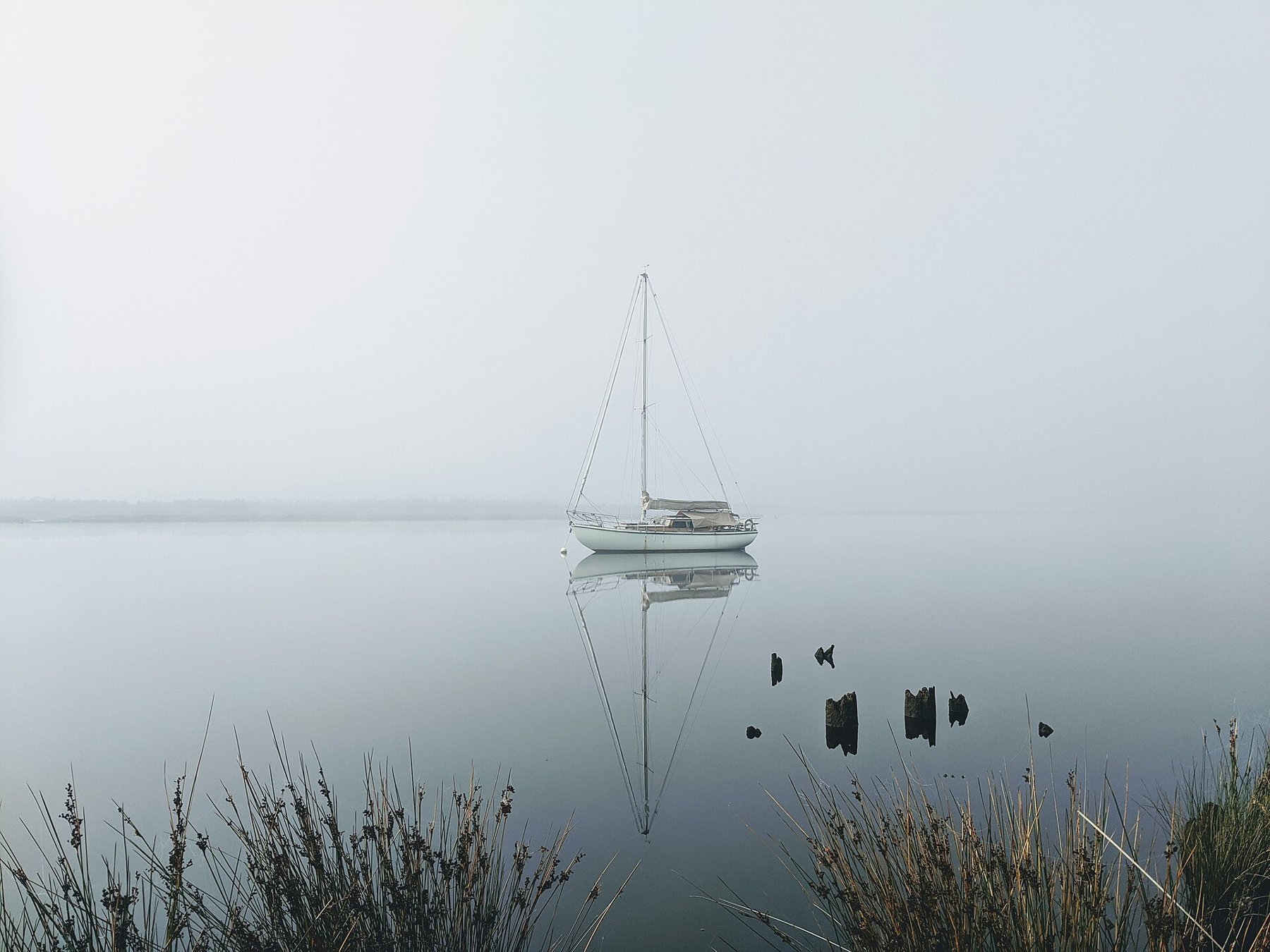
Subjects & light
Fog makes distant shapes lighter and softer. Use that layering rather than removing it completely.
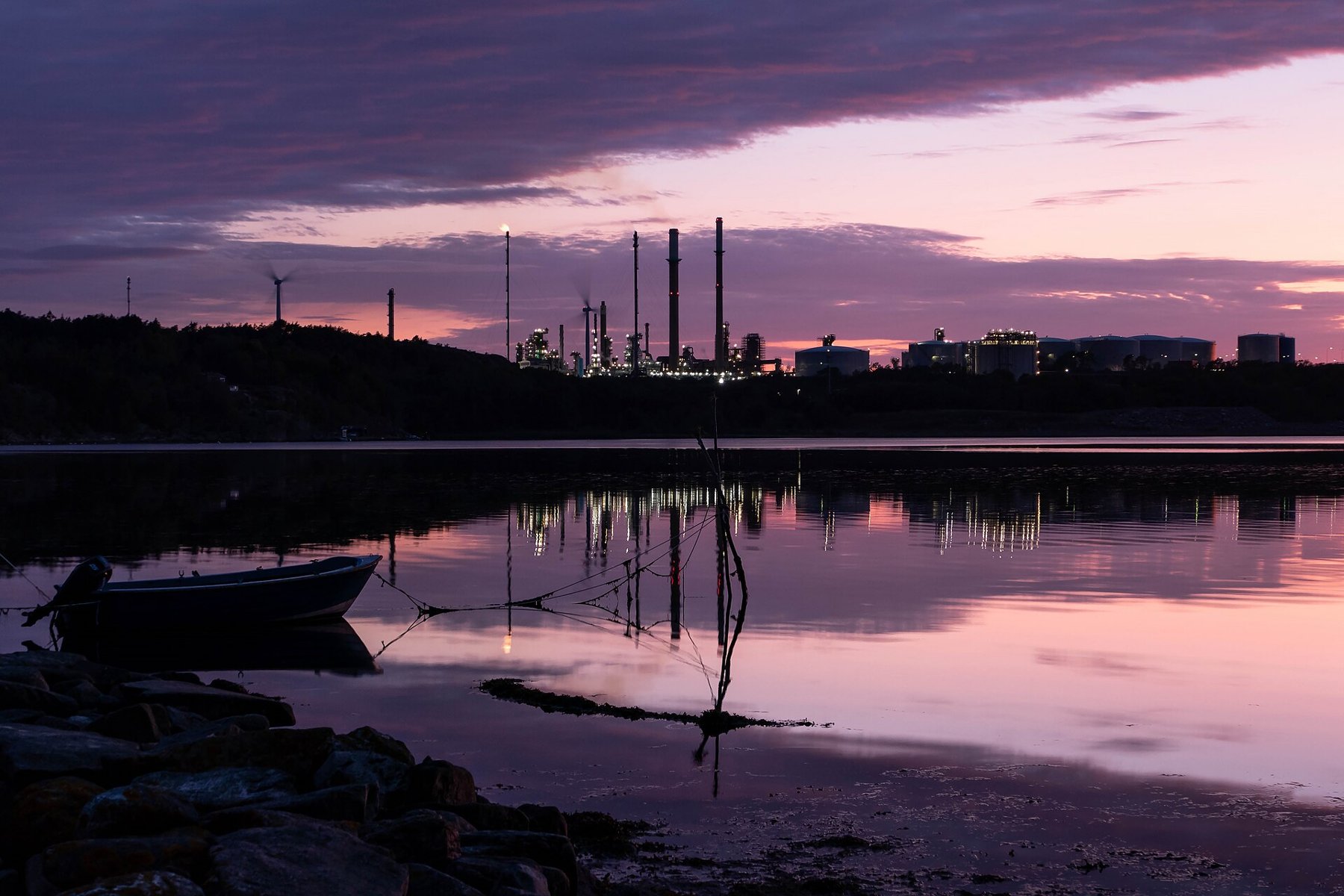
Subjects & light
Readable foreground needs lower contrast, additional fill or several suitable exposures.
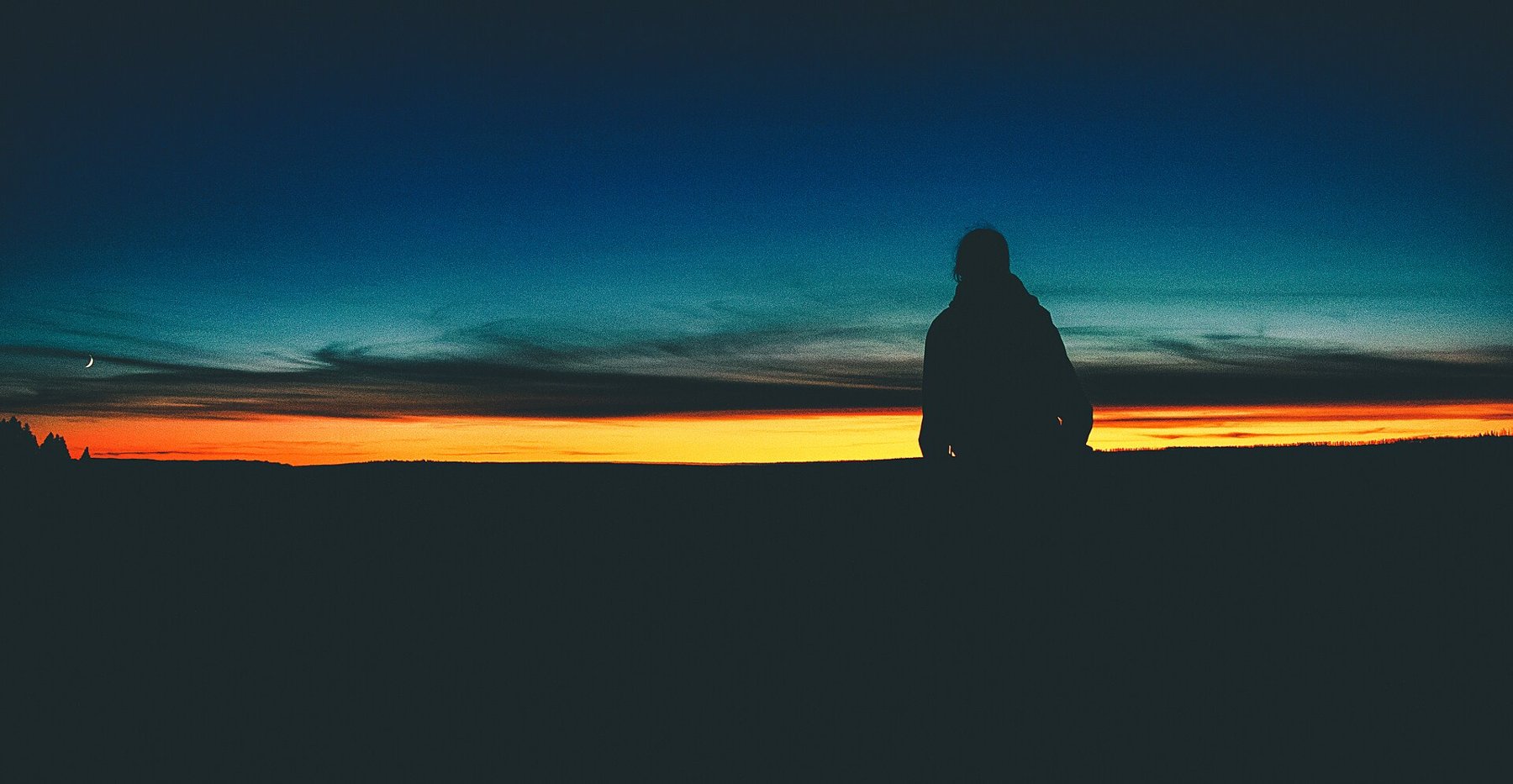
Subjects & light
A silhouette communicates through its outline. Separate shapes before darkening shadows.

Subjects & light
Without flash, position, timing and existing light become your main tools.

Subjects & light
A small tabletop setup becomes manageable through controlled surfaces and repeatable camera positions.
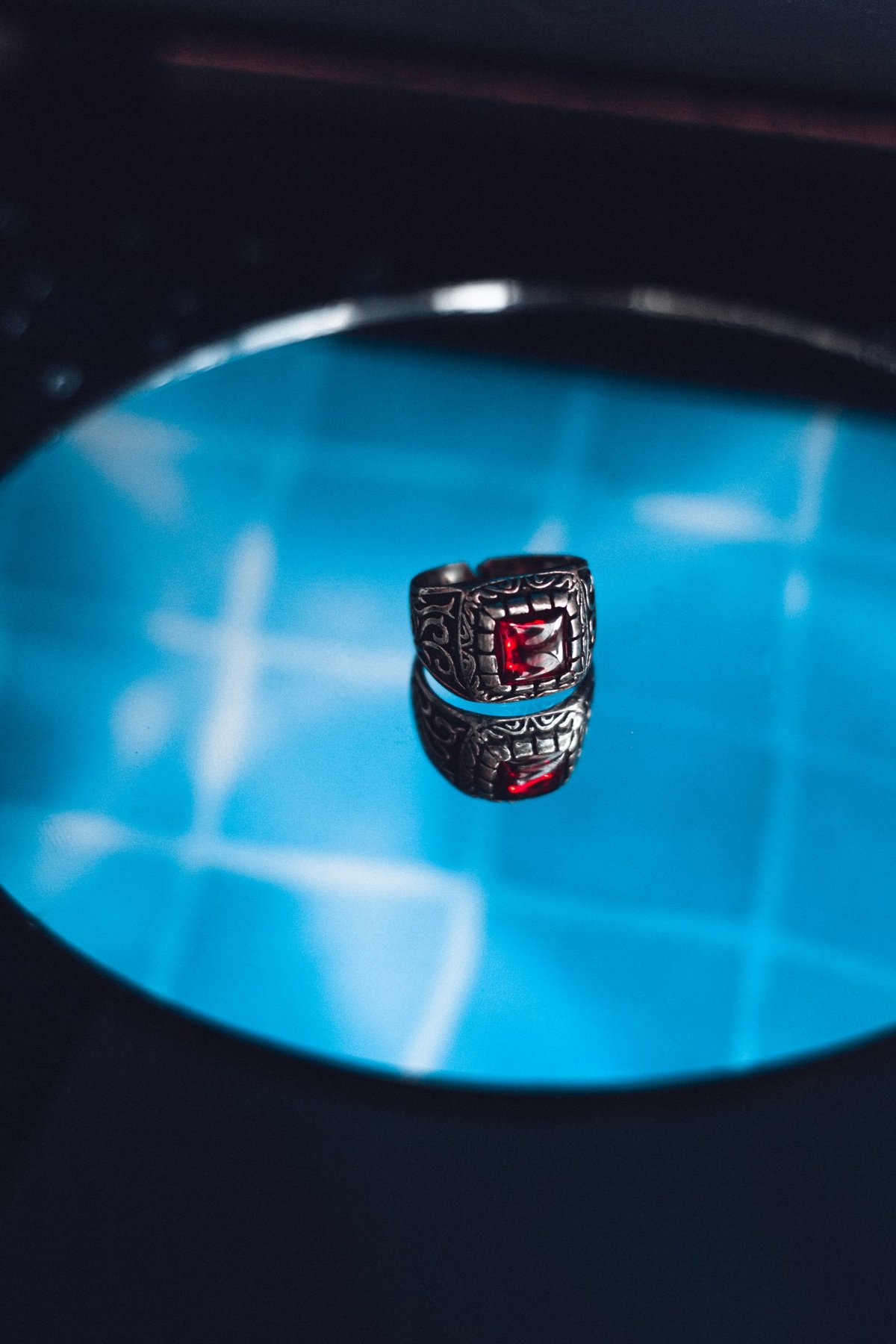
Subjects & light
Metal shows its surroundings through reflections. Shape those surroundings rather than merely adding more light.
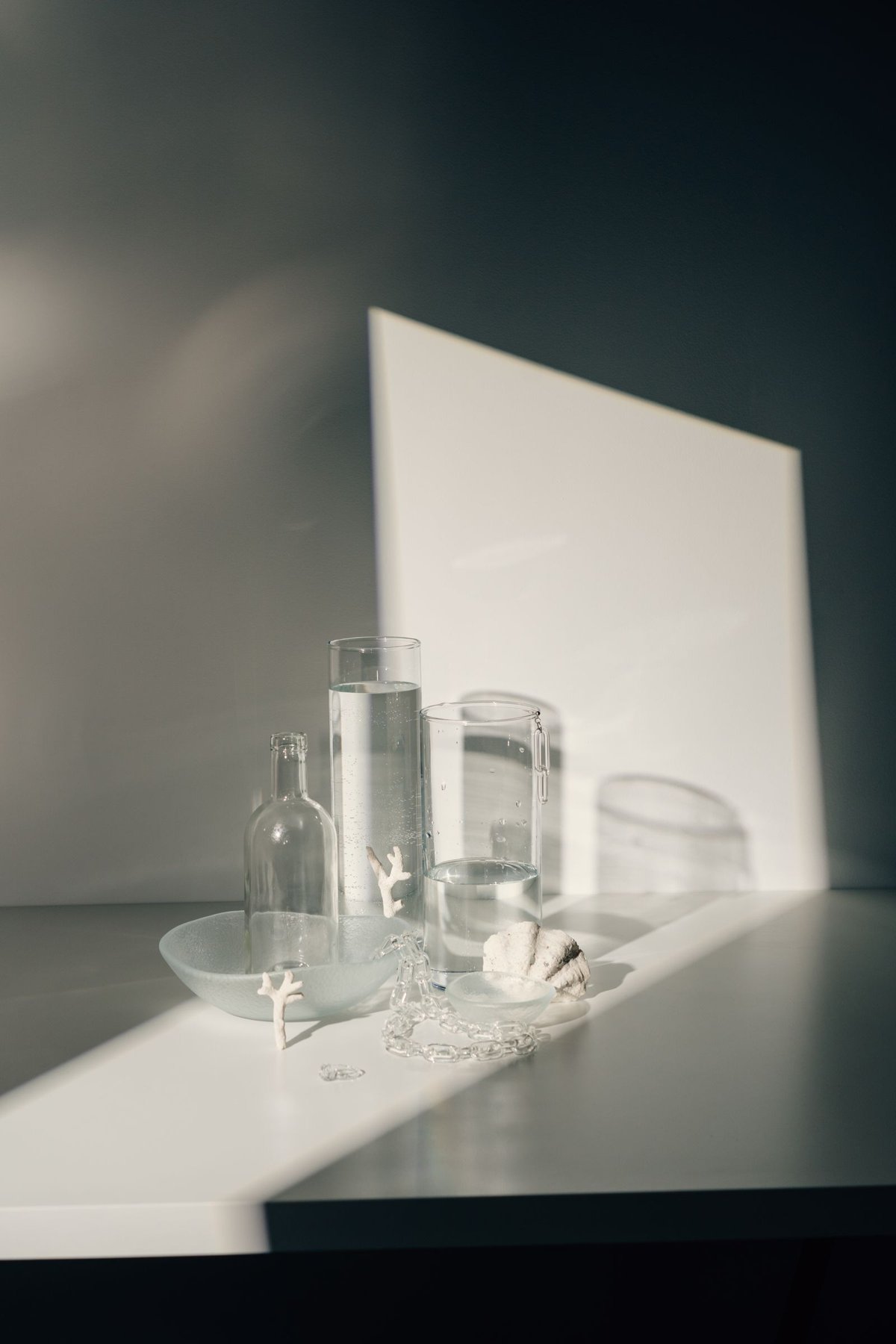
Subjects & light
For transparent objects, bright or dark edges often reveal more than a directly illuminated front.
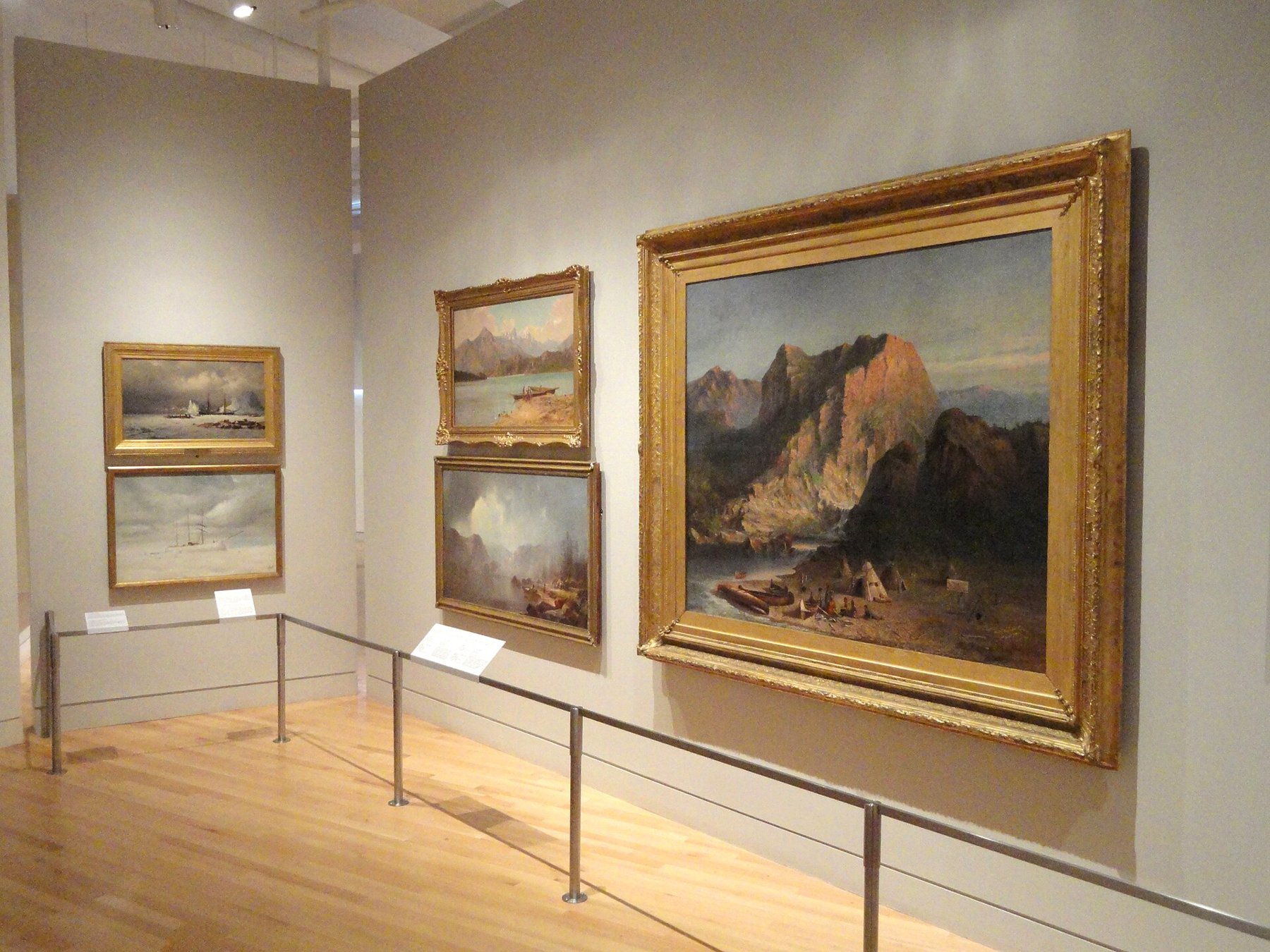
Subjects & light
Even illumination and parallel alignment matter more than dramatic lighting.
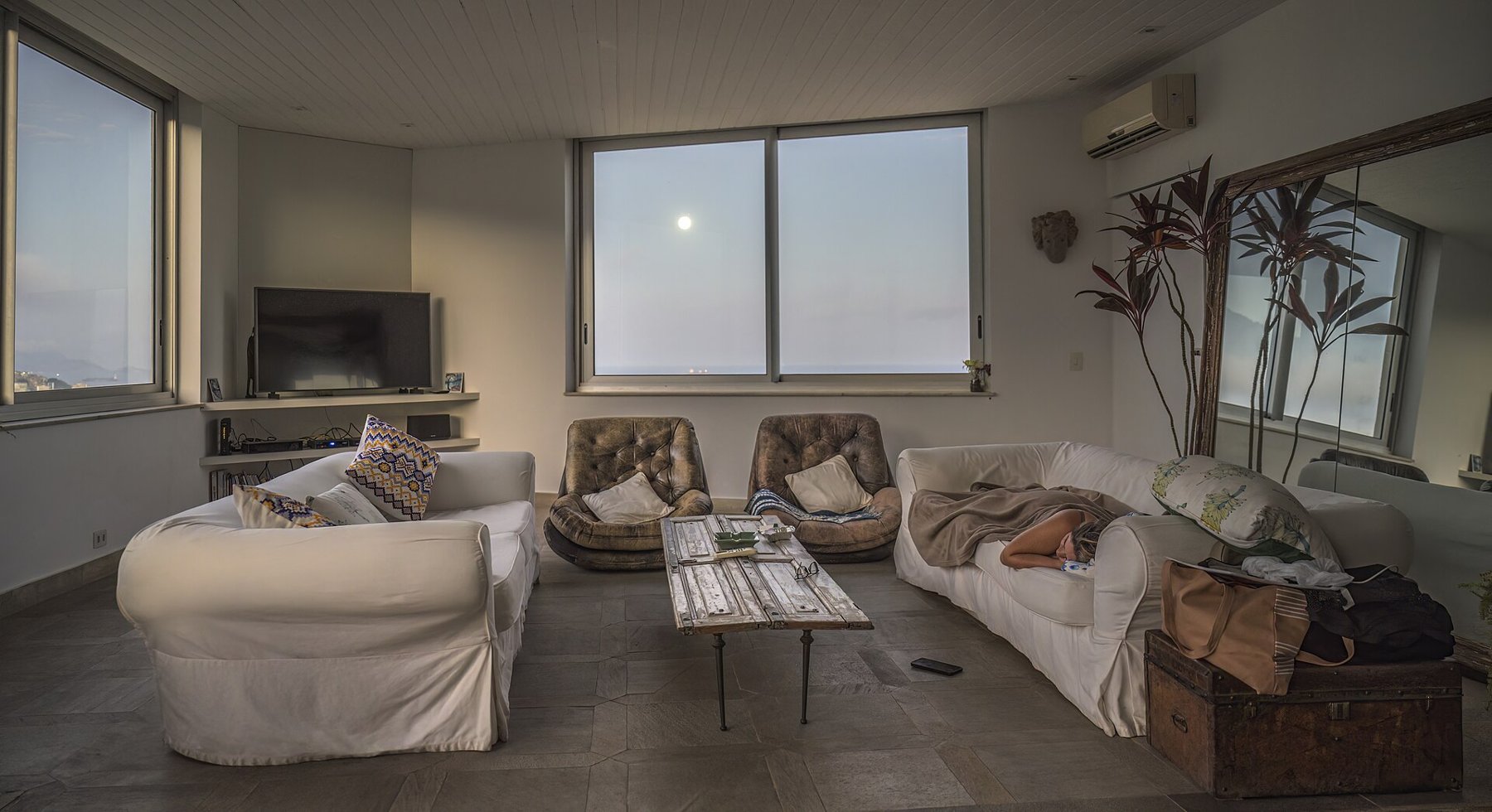
Subjects & light
A room photograph should explain layout and connections without exaggerating size through extreme perspective.
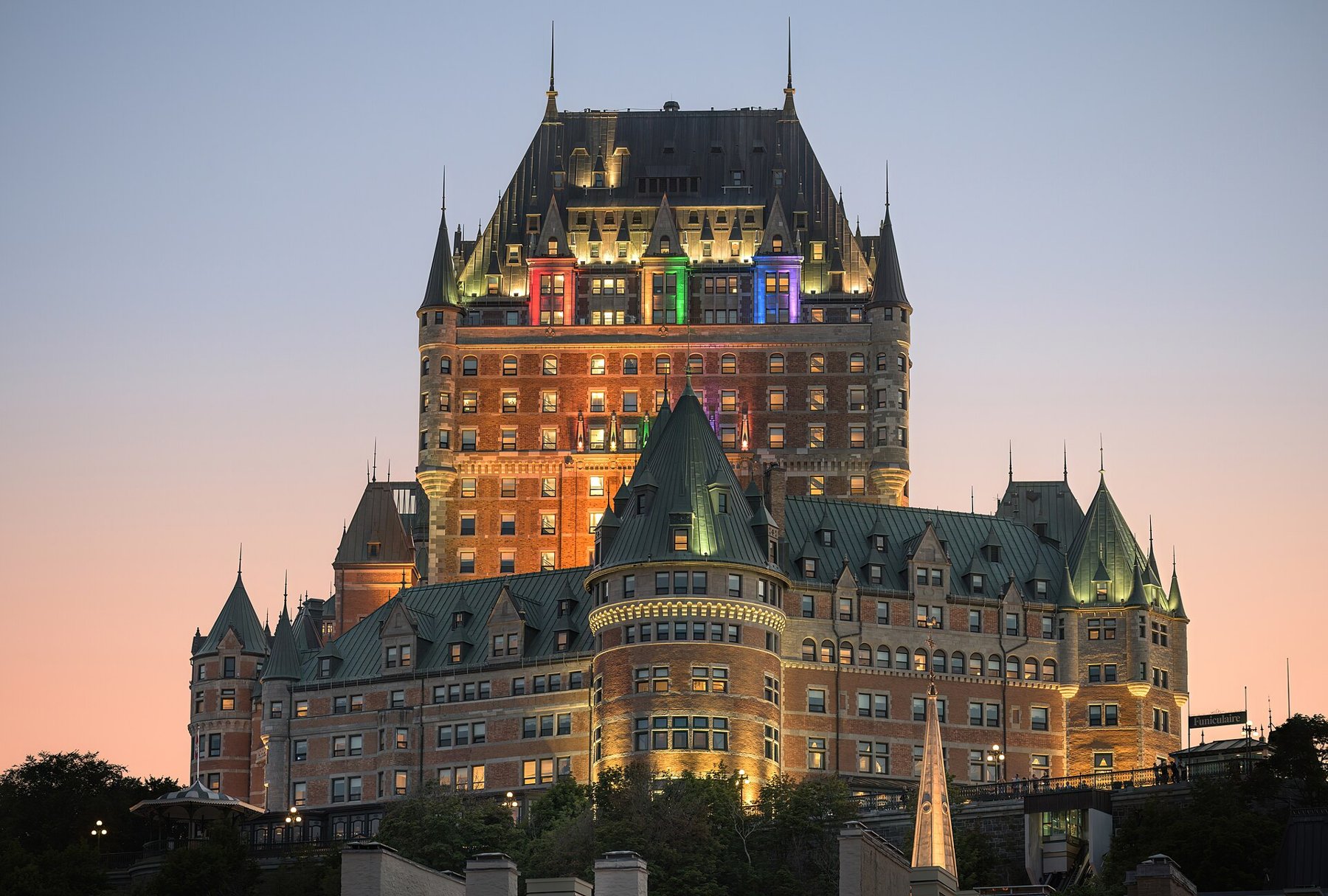
Subjects & light
A city feels balanced when remaining daylight and artificial illumination reach the right relationship.
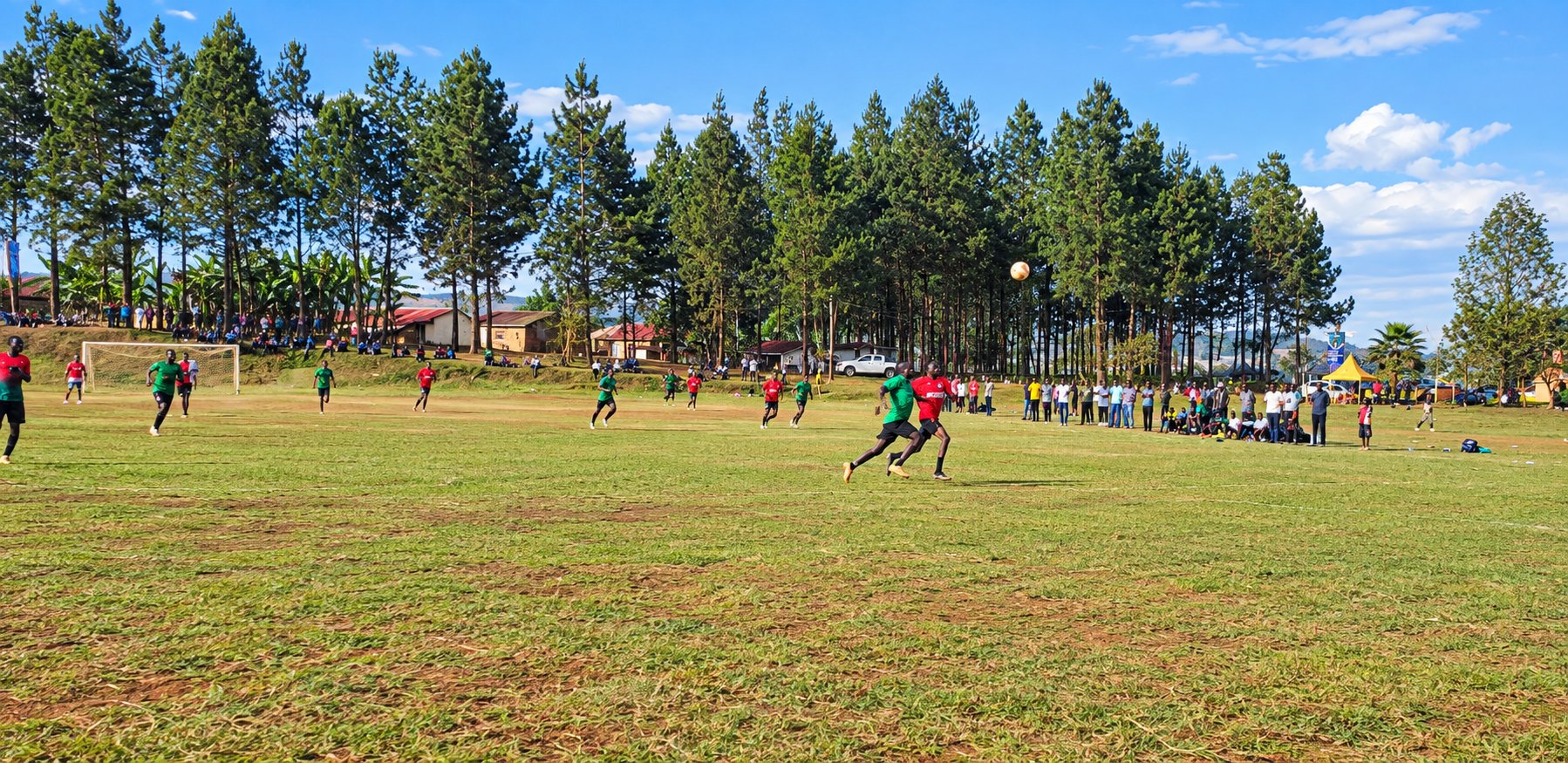
Subjects & light
Position, direction of movement and a clear view matter alongside a fast shutter speed.
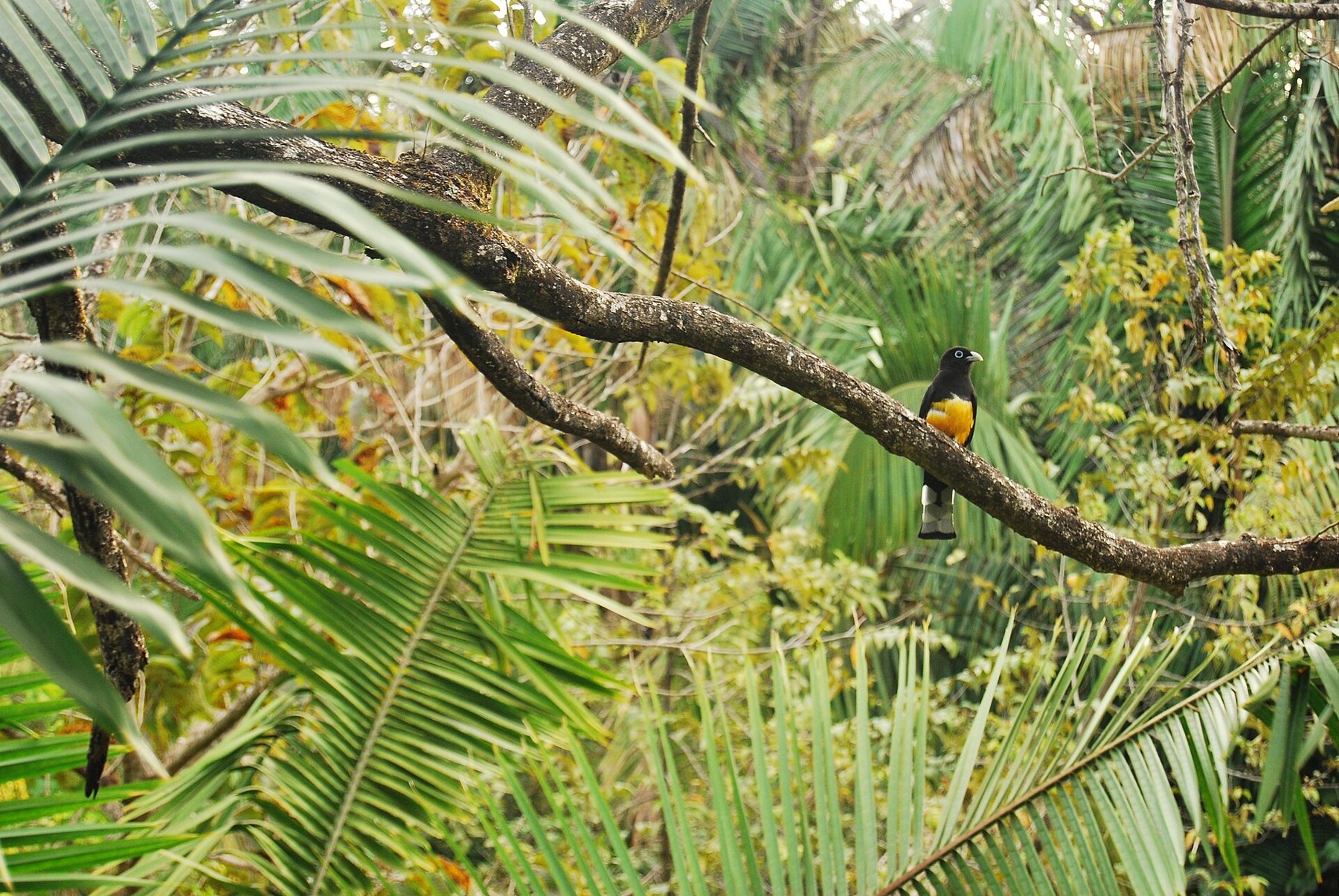
Subjects & light
A perched bird is not motionless. Watch its eye, head movement and the background between branches.
Subjects & light
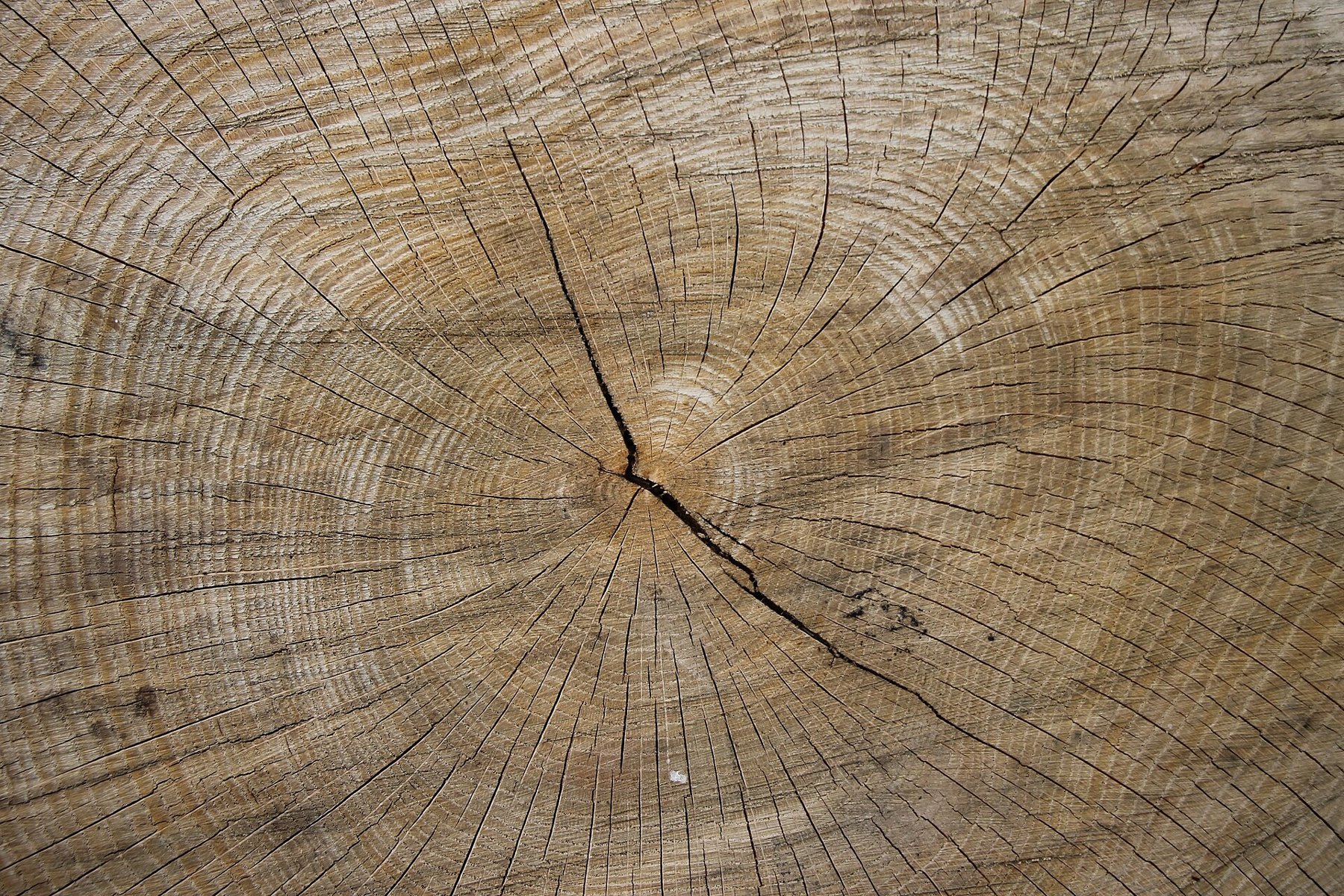
Light direction, working distance and the plane of focus determine how tangible a surface feels.

Subjects & light
Show a person with surroundings that genuinely explain something about the moment.

Subjects & light
Arrange the depth of the group before asking an extreme wide angle to solve every space problem.
Subjects & light
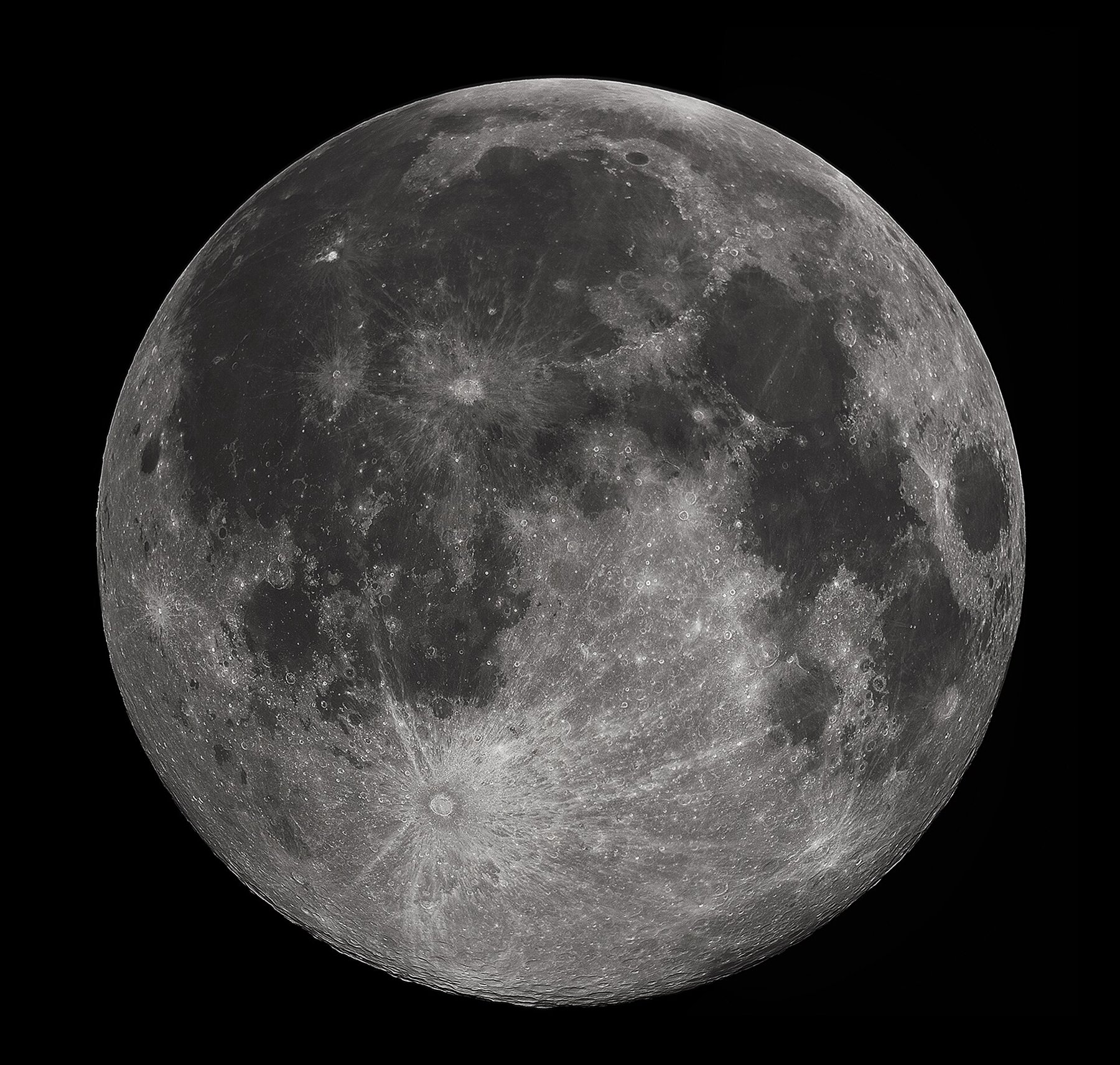
The lunar surface is sunlit. Exposing for a dark sky can quickly turn it into a white disc.
Subjects & light
A coherent series comes from clear relationships between photographs, not merely the same filter.


