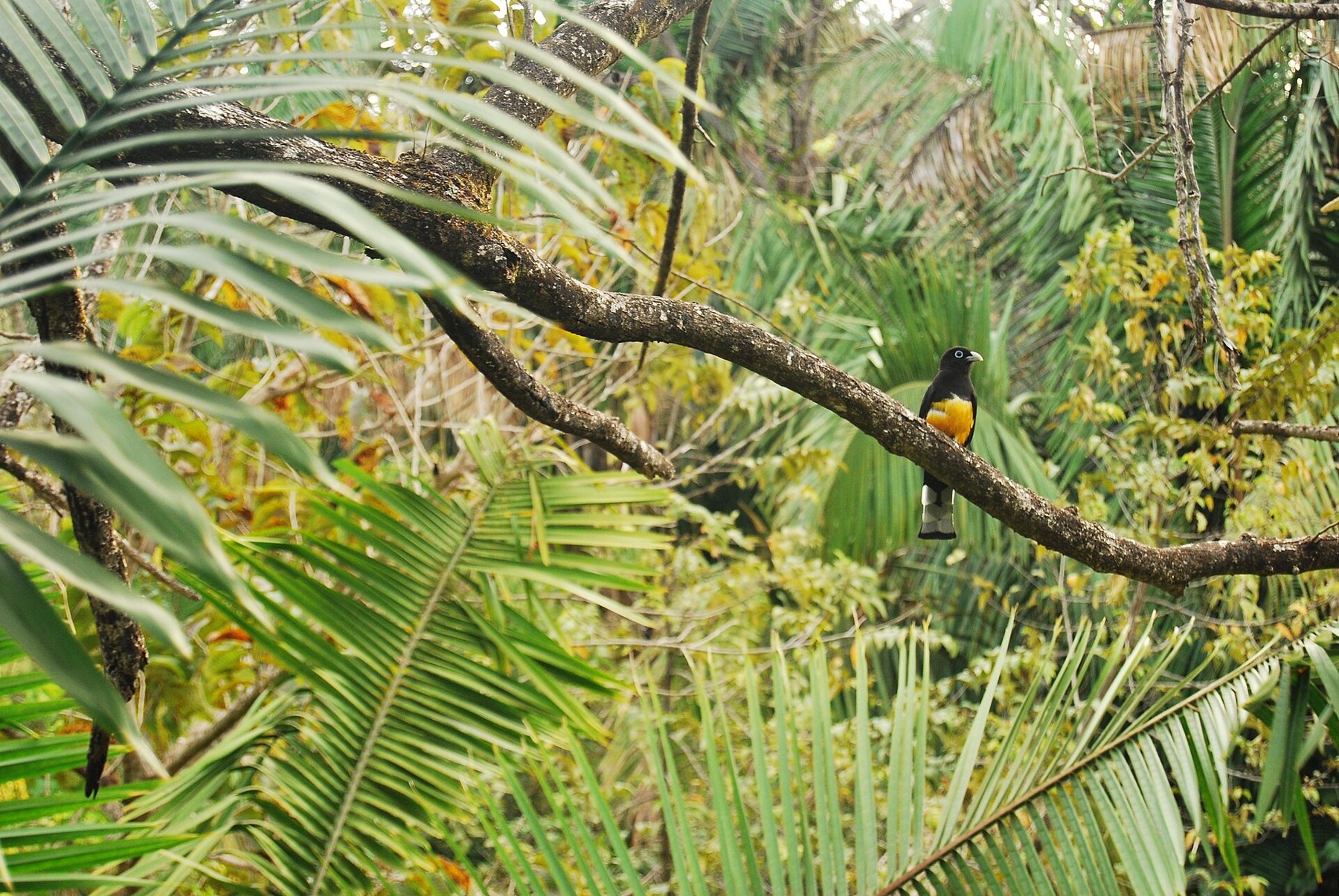
A bird on a branch gives you time for a clear composition, but its head, feathers or body often move in brief, rapid impulses. Settings for a stationary landscape can therefore produce soft detail despite a steady camera. Prepare the camera before raising it and watch for the moments when the bird briefly pauses.
Find the eye between branches
Place focus on the visible eye when possible. Animal detection can help but needs checking: branches in front of the head or a very small subject may confuse it. Switch to a more targeted area if necessary. With an angled head, the nearer eye may matter more than the tip of the beak.
Keep the camera ready and release during a short pause. A few frames can show different head positions. Judge sharpness at the eye and fine feathers rather than only on the branch. A perfectly sharp branch proves only that something at that distance was recorded sharply.
Shape background and distance
A small sideways move can remove a bright patch behind the head. Change position slowly and only while the bird remains undisturbed. A distant background is often easier to simplify than dense growth immediately behind the animal. Do not automatically use maximum aperture if important body parts then fall outside the depth of field.
Leave space in the direction of the gaze and avoid clipped tail feathers. When the distance stays large, a photograph with visible habitat often works better than an extreme crop with little detail remaining. Getting closer is not obligatory; quiet observation may produce new and better positions from the bird itself.
Check exposure on the plumage
Bright breast feathers can lose detail in sunshine while a dark wing still looks very dark. Inspect important highlights and adjust exposure. Keep the shutter fast enough for small head movements and accept higher ISO when necessary. Expect stabilization to help with camera movement, not with a turning head or a swaying branch.