
Photography basics
Camera shake or missed focus
Use edge patterns, focus planes and a controlled comparison to find out why a photograph looks soft.
144 articles
Search for a subject, technique or problem.
Photography basics
Use edge patterns, focus planes and a controlled comparison to find out why a photograph looks soft.

Photography basics
Direction, distance and framing determine how short an exposure needs to be.

Photography basics
Aperture is only one part of deciding how much of a subject appears sharp.
Photography basics
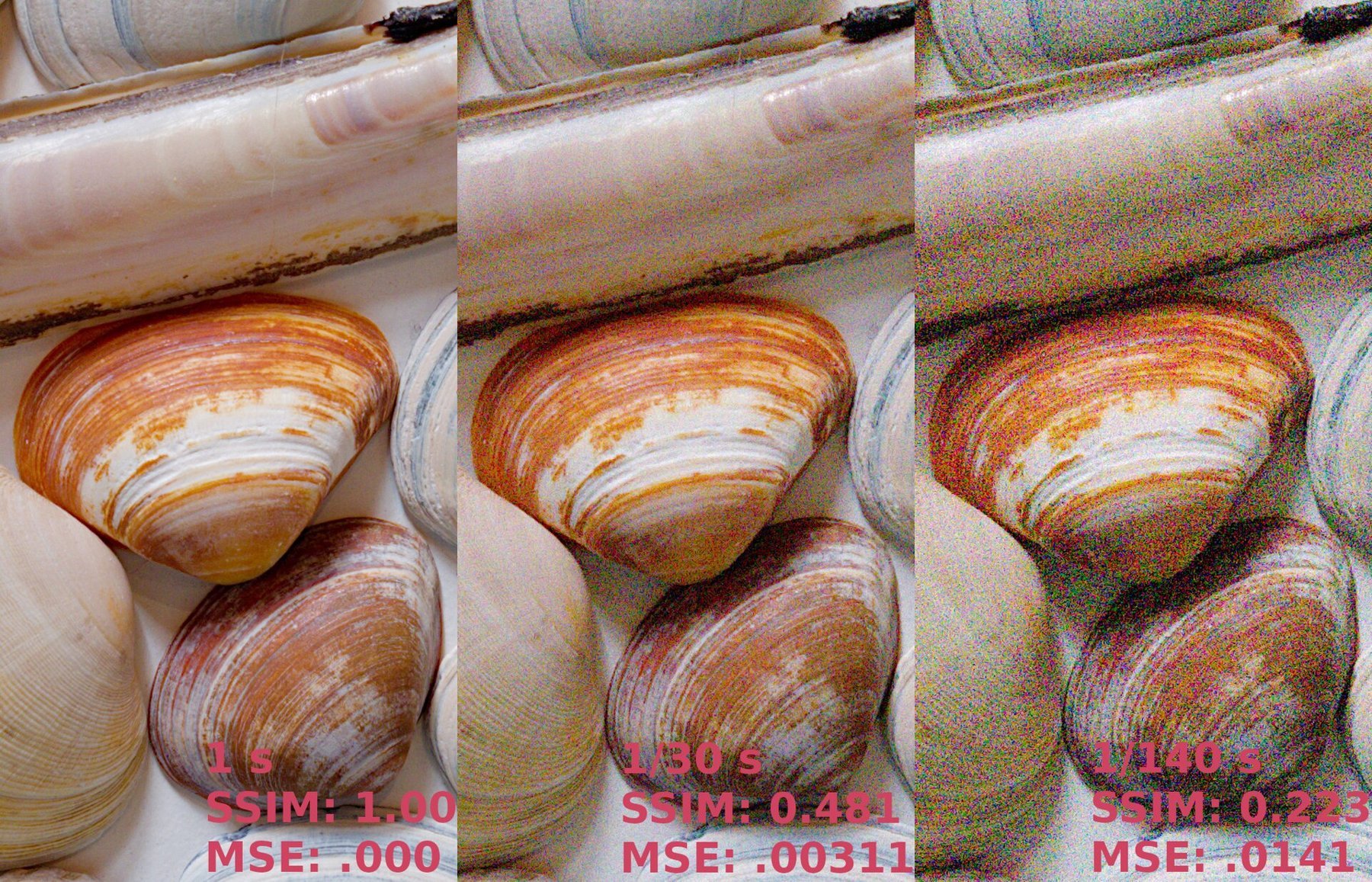
ISO helps accommodate short exposures, but cannot replace light reaching the sensor.
Photography basics
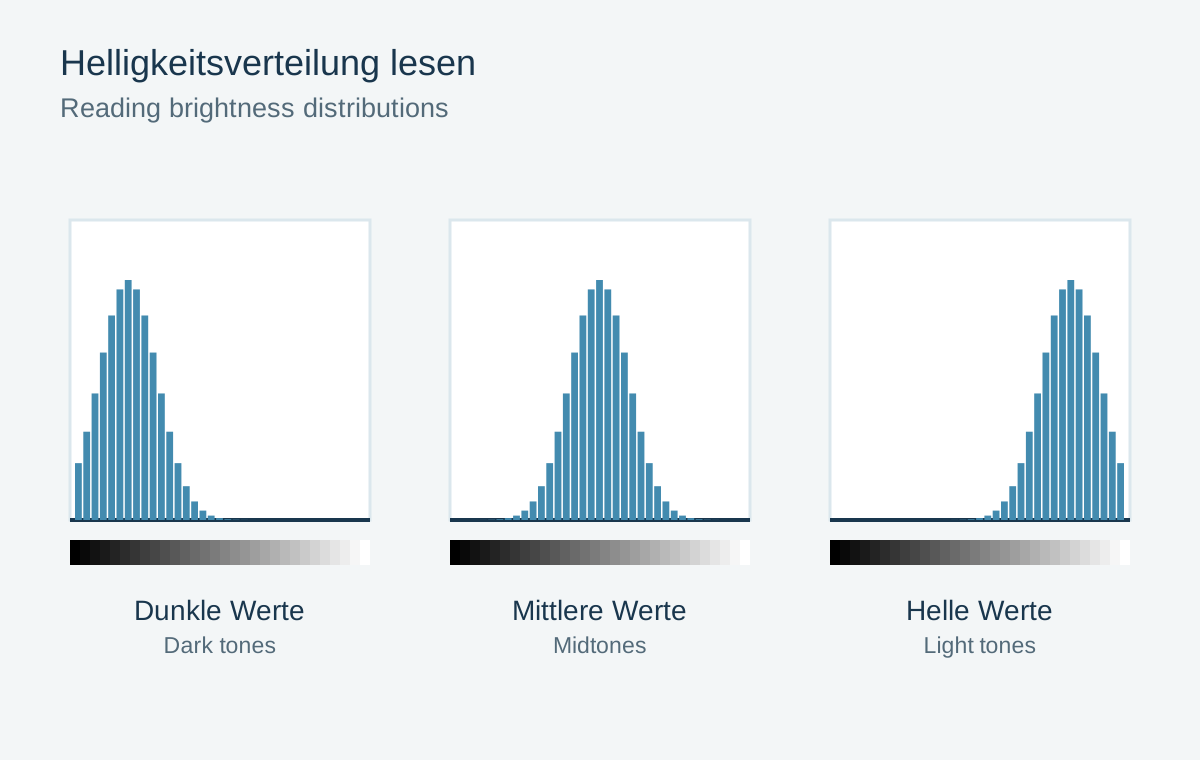
A histogram describes the distribution of tones; it does not grade your photograph.
Photography basics
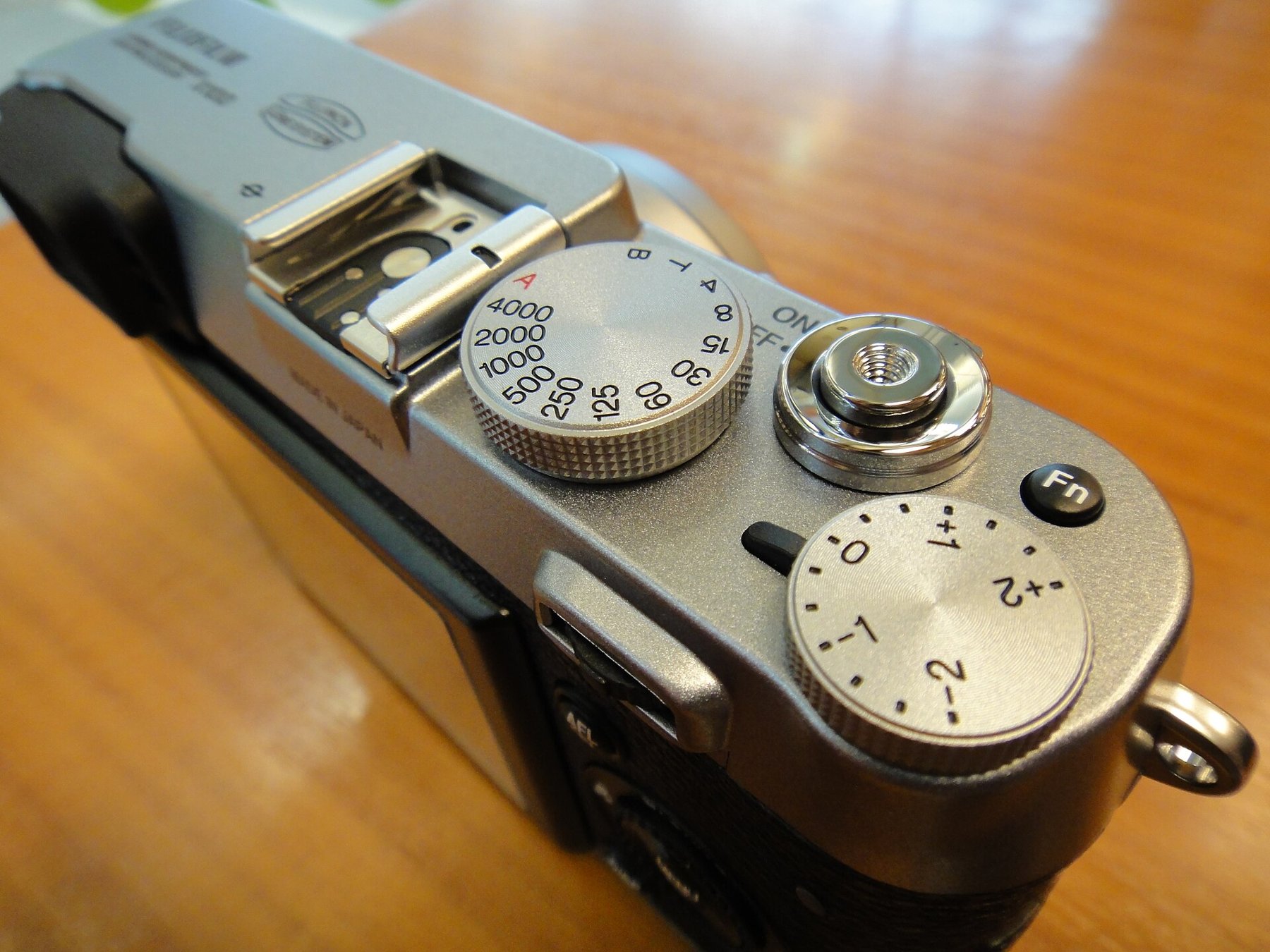
Use plus and minus to adjust the meter’s decision without abandoning automatic exposure.

Photography basics
A face in front of a bright window needs a deliberate metering priority.
Photography basics
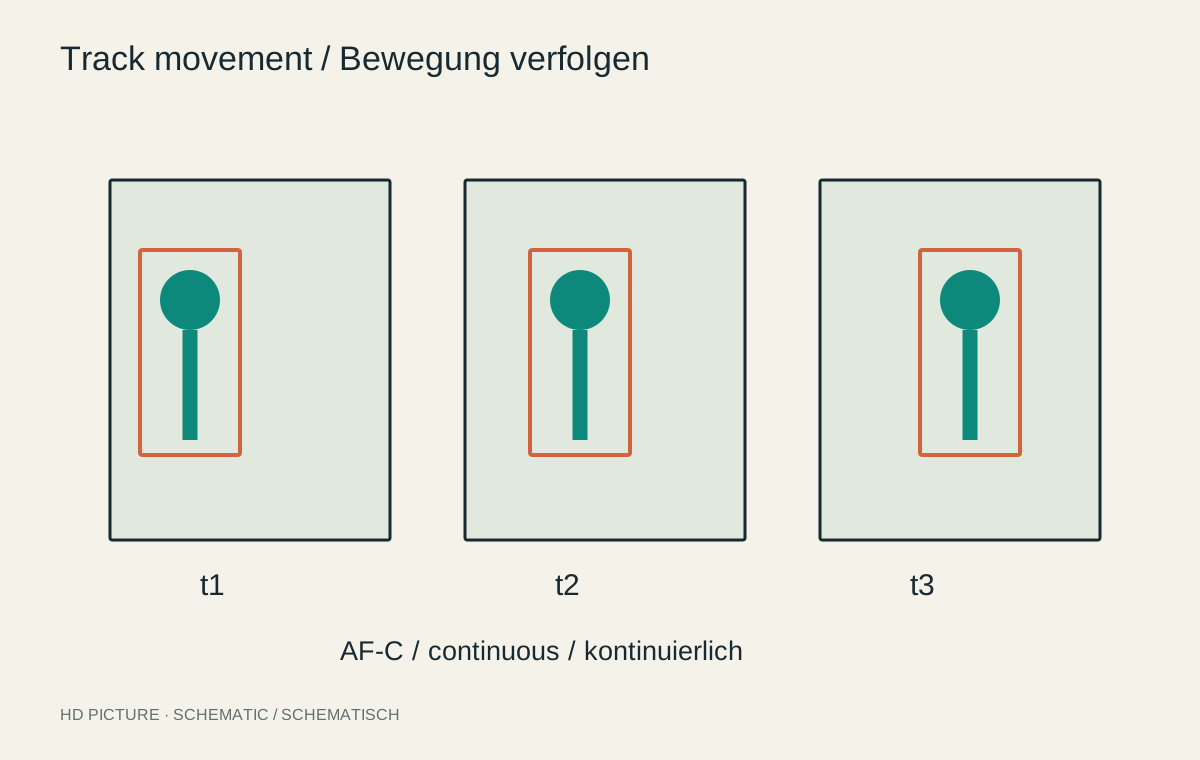
Focus mode and focus area solve different problems. Separating them prevents many unsuccessful attempts.
Photography basics
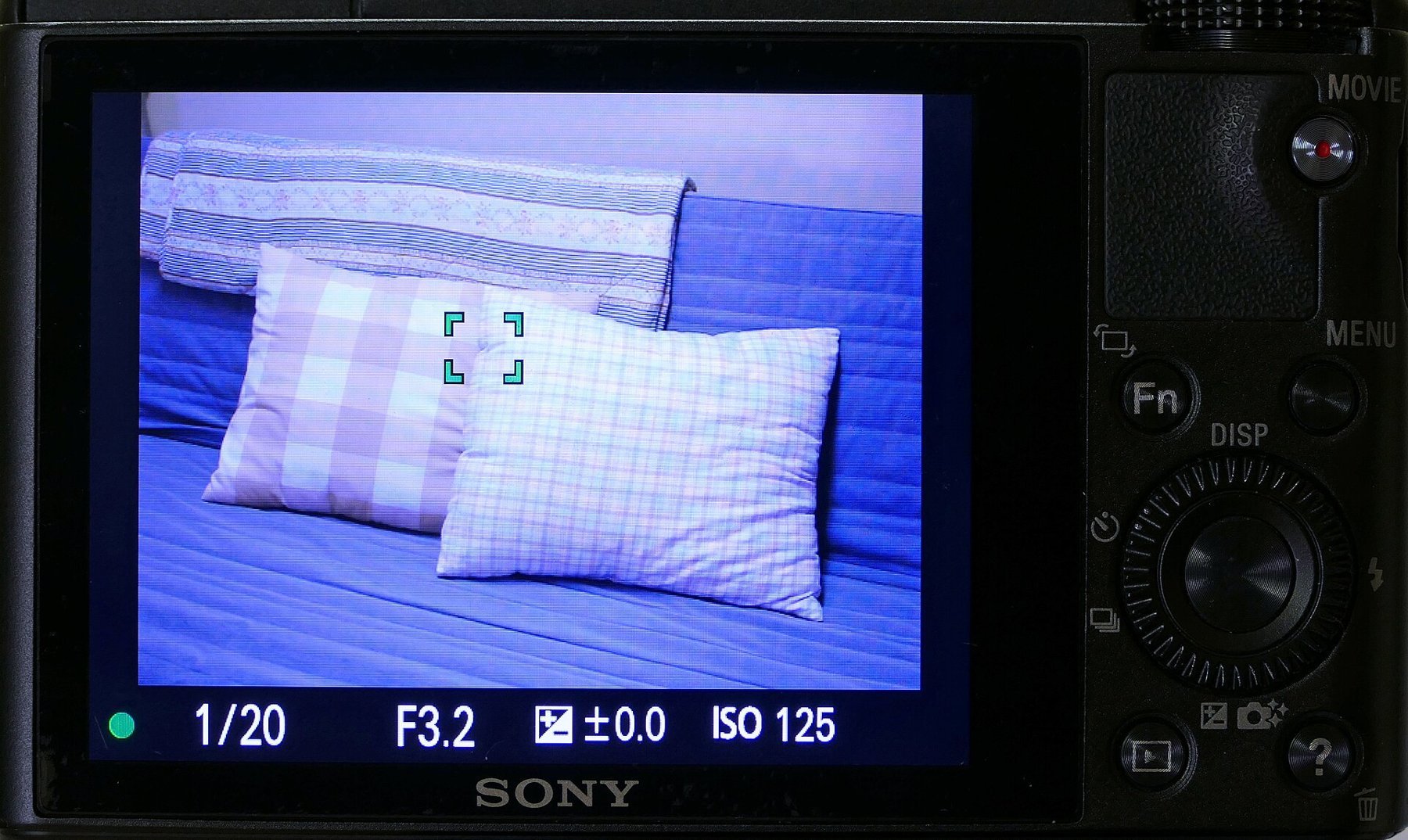
Choose the detail that must be sharp and restrict the search when foreground objects interfere.
Photography basics
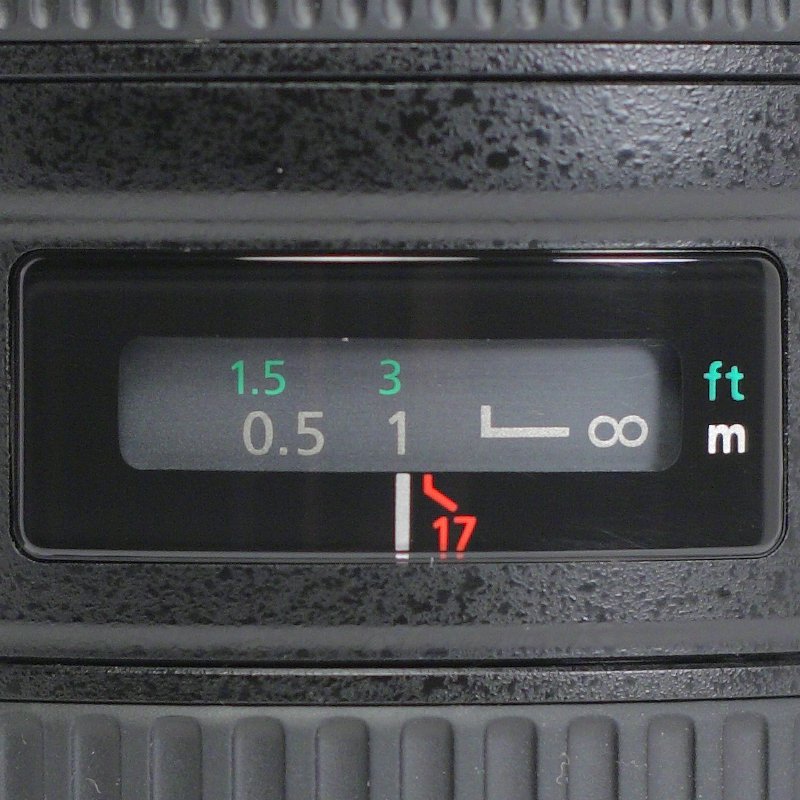
Minimum focusing distance and working distance describe two different measurements.

Photography basics
Focal length selects framing; camera position changes the relative size of near and distant objects.
Photography basics
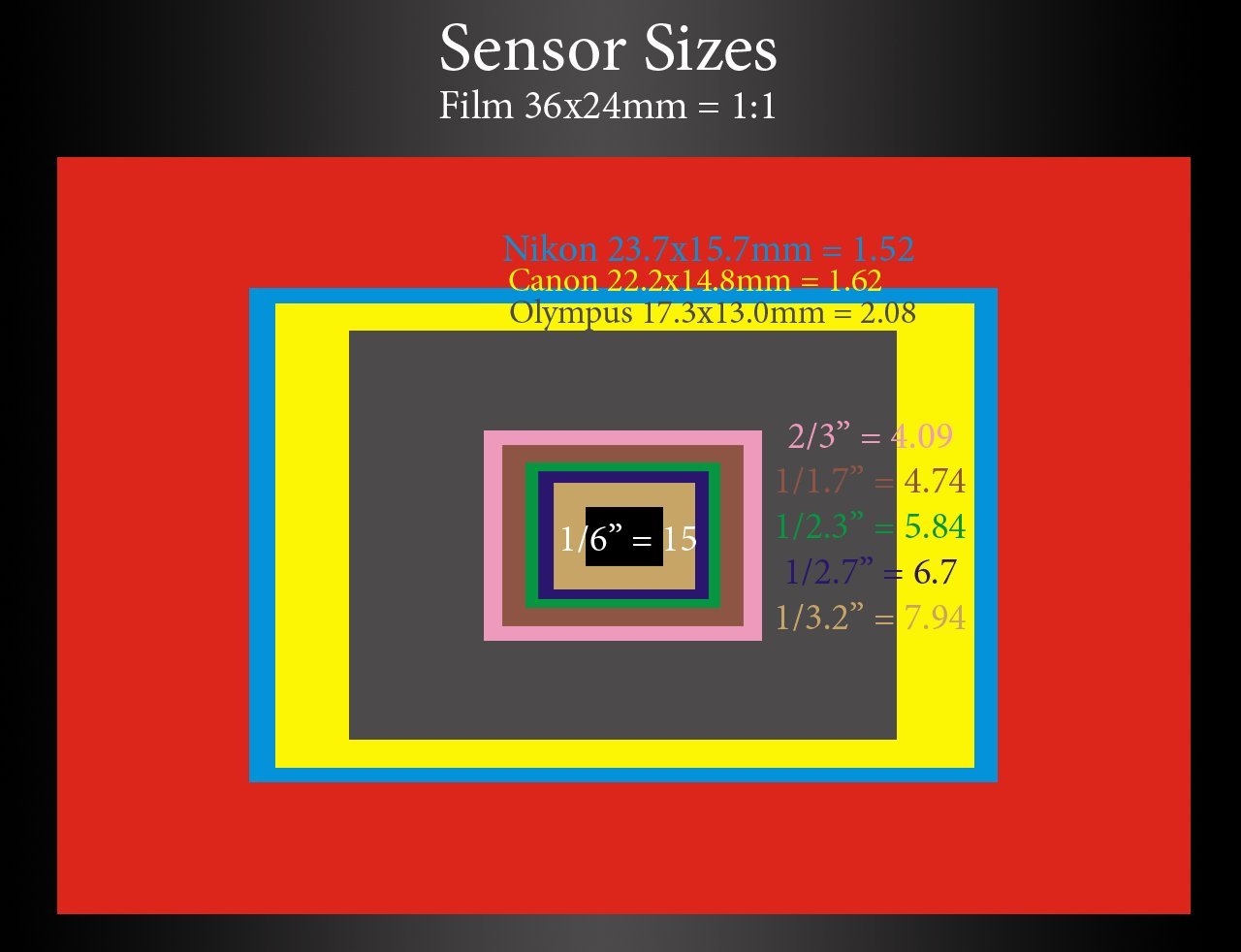
Crop factor compares angles of view. It does not physically change the lens’s focal length.
No matching articles. Try another word or a different topic.


_(4.8-27mm)_(AP4M0490)_(7095154623).jpg)
