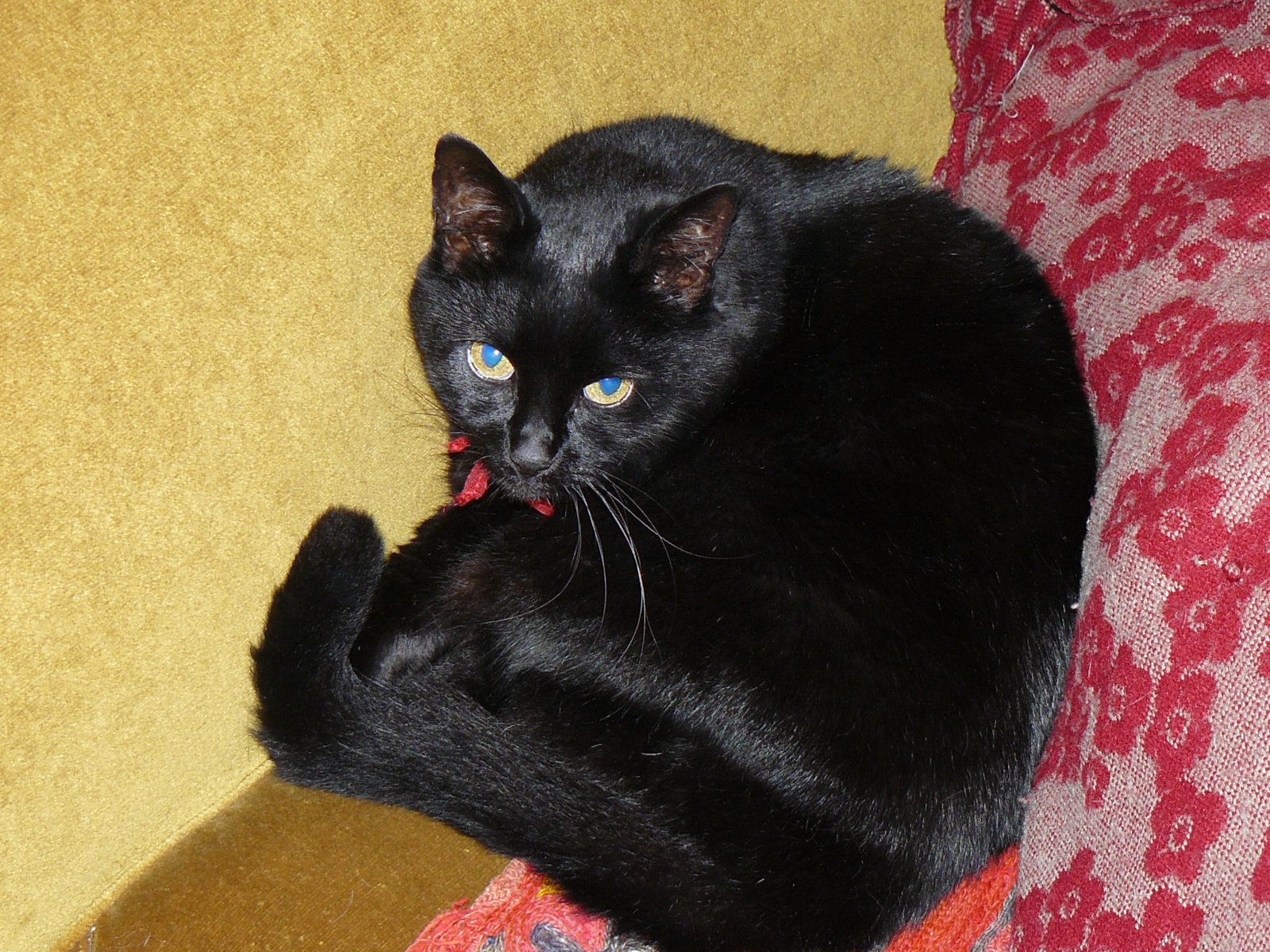
A cat beside a window is a different subject from a dog running through a hallway. Interiors often provide limited light and many distracting objects. Before choosing settings, decide whether you want a quiet portrait or movement. Prepare an uncluttered area where the animal already feels comfortable instead of forcing it into an unfamiliar pose for a long time.
Find light at eye level
Get down to the animal’s level and inspect how light reaches its eyes. A window can provide soft side illumination while a ceiling lamp creates deep shadows beneath brows or fur. A catchlight makes the gaze easier to read, but it should not come at the cost of a blown highlight on the nose. Shift your position slightly and watch the effect.
Turn off distracting lamps of another colour if the window should be the main source. For dark fur, a pale surface on the shadow side can return some detail. Pale fur, conversely, should not clip over broad areas. Check the brightest fur rather than only average image brightness.
Choose time and focus for behaviour
A moderately short exposure may suit a quiet animal, but ears and muzzle often move unexpectedly. Start at, for example, 1/250 second and inspect the result. Play or a jump frequently requires much shorter times. Raise ISO when light is limited rather than accepting a long exposure solely to retain a clean low ISO number.
Animal-eye detection can help but must select the intended eye. With a long muzzle, a very wide aperture may not keep eyes and nose sharp together. Decide which part matters or stop down slightly. Continuous focus suits an animal moving forwards and backwards; one precise point may be easier to control through a barrier or among toys.
Prepare the moment
Remove conspicuous cables, packaging and bright patches from the background. Leave some distance between animal and wall if the room allows. A familiar place or ordinary toy gives the pose a meaningful context. Another person can direct attention while you handle the camera steadily. Avoid several people calling at once and repeatedly pulling the gaze in different directions.
Shoot short bursts and take breaks. Do not spend a long time reviewing every frame while a good moment is happening; check eyes, shutter speed and frame edges after a brief sequence instead. A relaxed expression is often more informative than forced frontal sitting. End the session when the animal wants to move away and try again later.