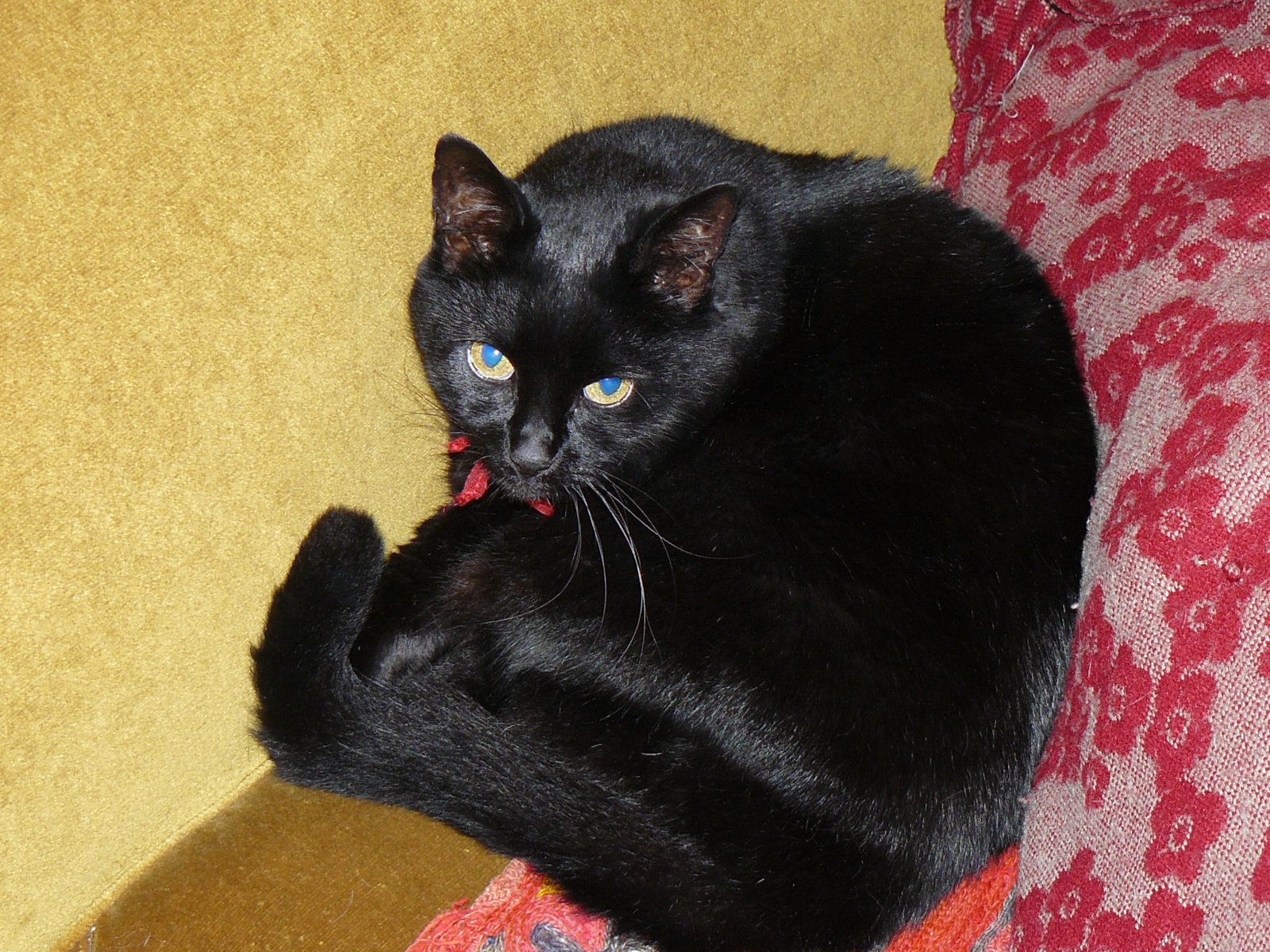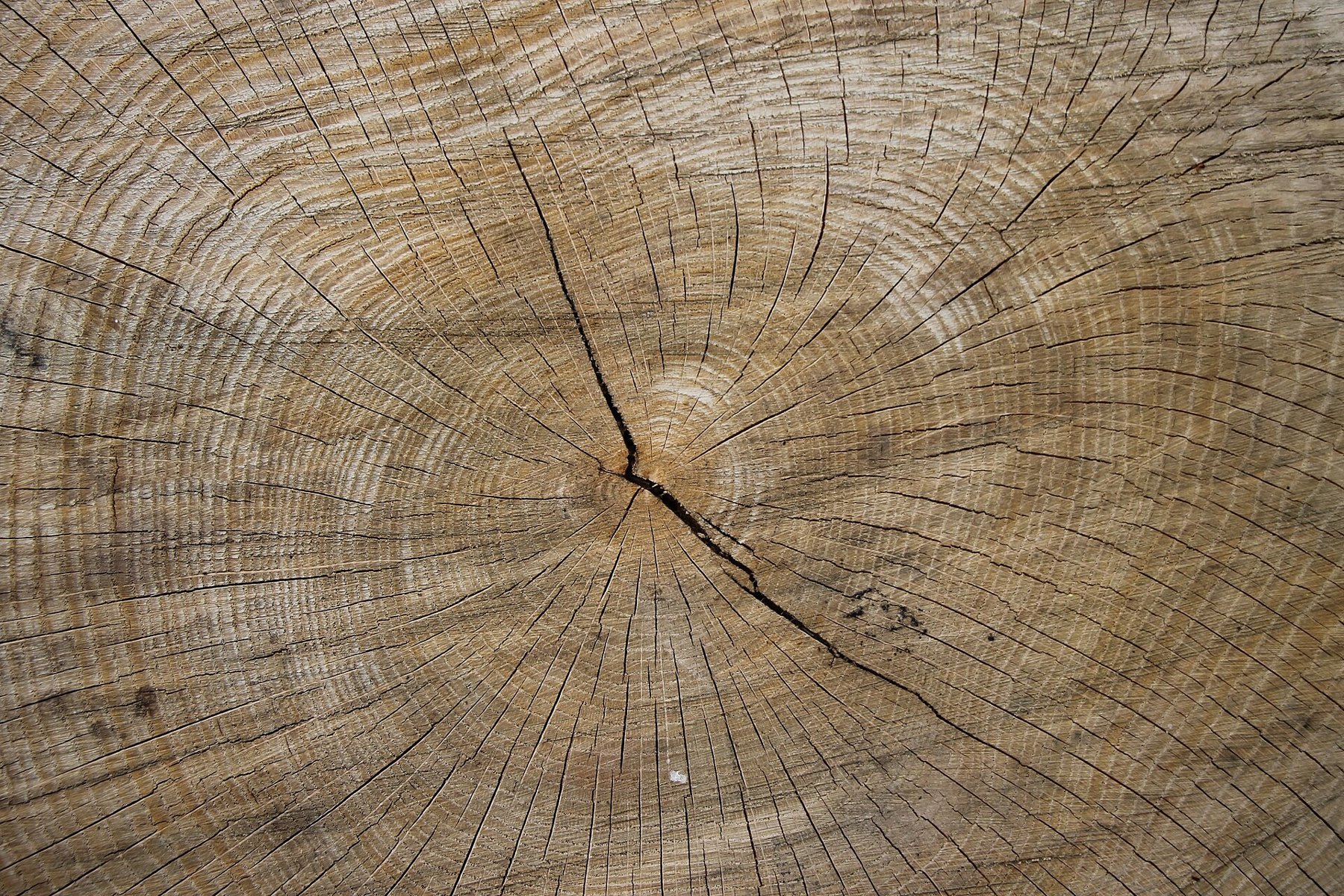
Bark, woven cloth and brushed metal have different textures, so they do not need identical lighting. Flat light can show colour well while hiding small raised areas. Raking light reveals shadows between those areas but may overemphasize shiny patches. Start by deciding whether the photograph should describe the material, its pattern or its physical relief.
Look at a surface from several directions
Move a small light slowly around the subject, or photograph a fixed surface at another time of day. Compare frontal, side and almost parallel illumination. Side light may separate stitches in knitted fabric, while crumpled glossy paper may produce only restless white patches.
For a movable sample, also rotate the material while keeping the camera fixed. This reveals whether one direction of fibres or grooves becomes especially clear. Note the chosen direction when comparing several samples. Otherwise, different lighting may suggest a greater difference than actually exists between the surfaces.
Distribute focus across the surface
For an approximately flat surface, keeping the camera parallel makes even sharpness easier. An angled view emphasizes depth but places the surface at different distances. Decide deliberately whether only a narrow strip should be sharp. Inspect corners at full size if the photograph will later serve as a continuous texture.
A smaller aperture increases depth of field but does not replace suitable alignment. Support the camera and compare a moderately stopped-down aperture with a much smaller one. Judge both fine detail and the depth covered. The smallest available opening does not automatically produce the clearest overall surface. If only one corner remains soft, check alignment before applying stronger sharpening to the entire photograph.
Judge editing against the material
Increase texture or local contrast only while the surface remains believable. Strong settings can make soft fabric look brittle and create dark edges around grooves. Also inspect the intended output size. A tiny pattern that looks interesting at full magnification may shimmer or disappear entirely when reduced.