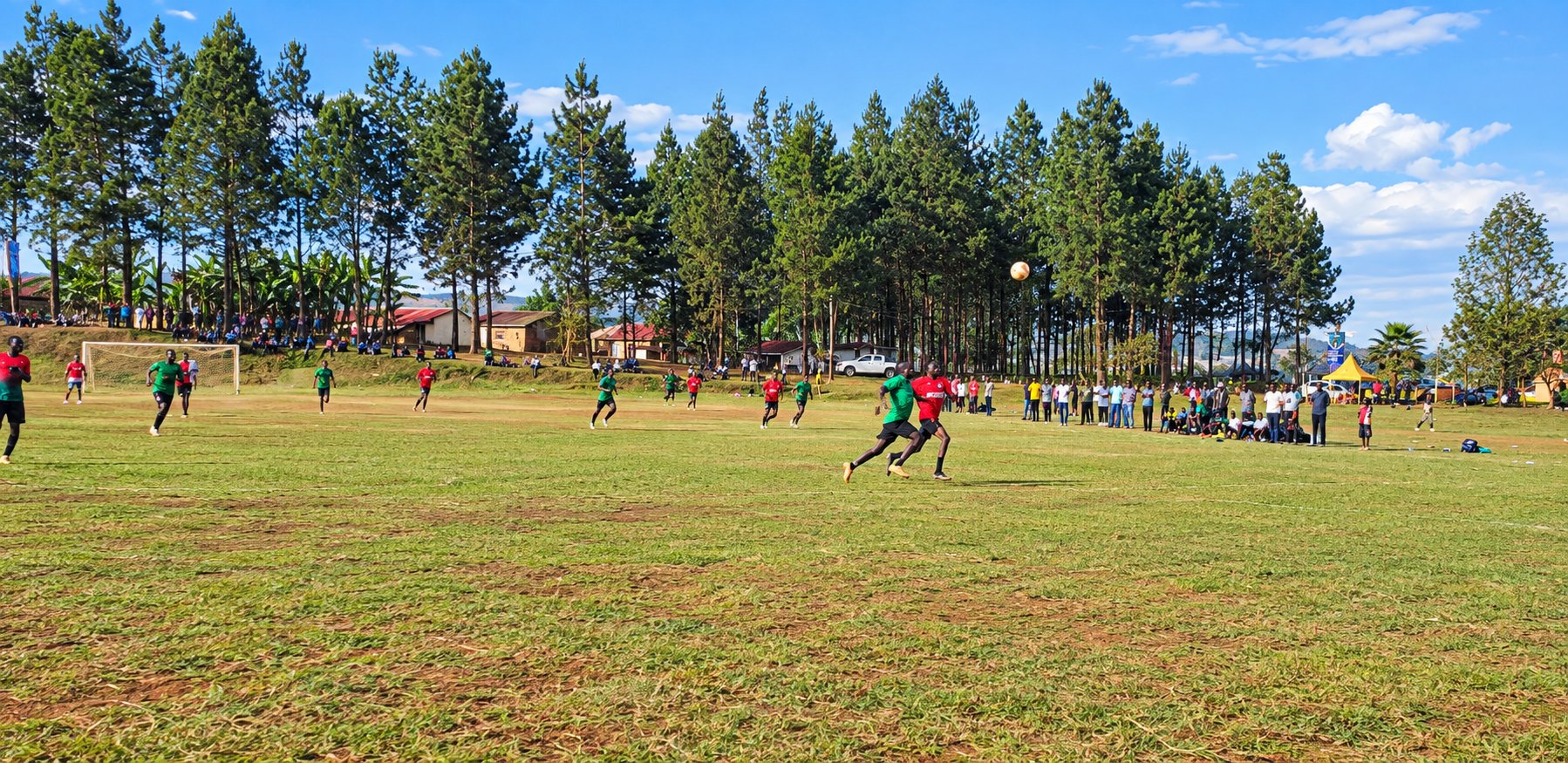
At the sidelines, one camera position rarely shows every action equally well. A fast shutter freezes movement but guarantees neither a visible face nor a useful background. Watch the game first. Choose a position where a particular action becomes readable and work toward that moment instead of following every movement across the entire field.
Anticipate the action
For a race, choose an uncluttered bend; for a ball game, a zone where passes often arrive. Look for visible faces and enough space in the direction of movement. Photograph only from permitted areas and stay clear of the playing surface so that you do not obstruct participants or other spectators.
A lower camera position may move spectators and barriers away from the head. It does not help if bright sky then complicates exposure or an advertising panel sits behind the face. Check the background before the decisive moment rather than discovering it during selection.
Tune focus and shutter speed separately
Continuous autofocus suits changing distance. Choose an area that lets you hold the person reliably. A very large area may jump to a nearer player; a tiny area may slip off the subject during uneven tracking. Test the actual situation instead of carrying one area size into every sport.
For fast movement, start with something like 1/1000 second and inspect hands, feet and the ball. Distance, direction and the intended result may demand another speed. If the background is sharp and the person smeared, you generally need a shorter exposure. If another person is sharp, focus selection is the more likely problem.
Use short bursts with a purpose
Start a short burst just before the expected action and keep following afterward. Continuous firing fills storage and complicates selection without improving your position. Later, compare body posture, gaze, ball position and clear outlines. A slightly less spectacular instant may work better when the action is immediately understandable.