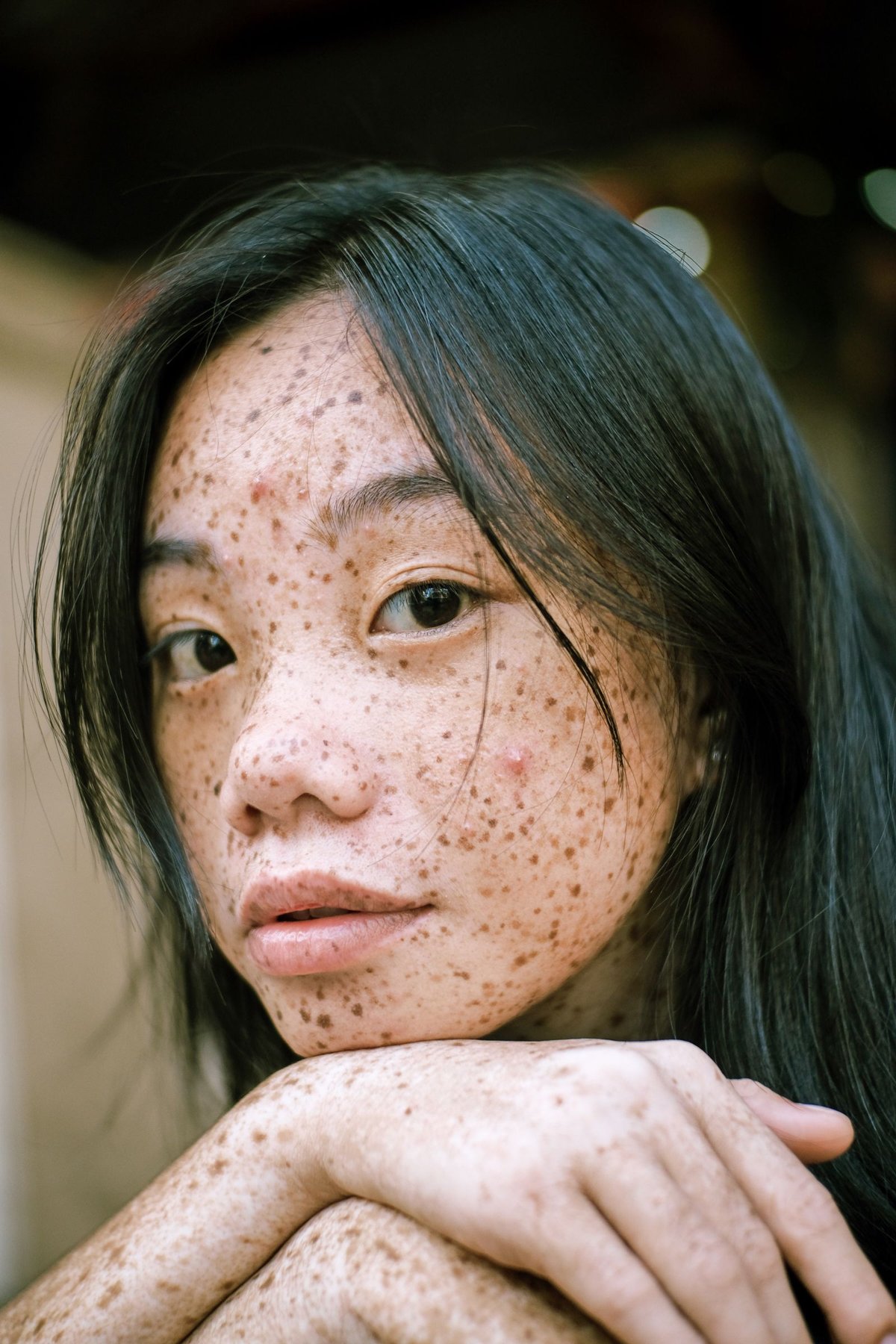
In a natural portrait, the person should remain recognizable. Pores, wrinkles and individual characteristics are not automatically defects. Restrained editing therefore starts with light and colour before retouching individual spots. When editing someone else’s portrait, establish which changes they want, especially when moles, scars or permanent features might be affected.
Judge colour in context
Check white balance in relation to the lighting and suitable neutral surfaces. A face may appropriately look warm or cool. Compare forehead, cheeks and neck rather than forcing every skin area to exactly the same hue. Natural circulation and different angles to the light create variation.
If only one cheek receives a cast from a coloured wall, a local colour correction may help. Use a soft restriction and watch the lips and hairline. Global desaturation may reduce the cast while also making the whole face lifeless.
Treat small distractions individually
If needed, remove a temporary blemish or distracting fibre with a small repair. Choose nearby skin with similar brightness and texture as the source. A smooth forehead patch may not suit a more textured cheek. Oversized repairs create conspicuously uniform areas.
Preserve transitions around the nose, mouth and eyes. These small brightness differences describe facial shape. Smoothing them completely can make the face look flat and artificial. Inspect every substantial change without magnified tool overlays.
Limit smoothing and brightening
Automatic skin smoothing is a suggestion rather than a guarantee of quality. Reduce its strength until texture remains believable at normal viewing size. Check hair, eyelashes and eyebrows for accidental smoothing. A mask can restrict the effect to the intended skin.
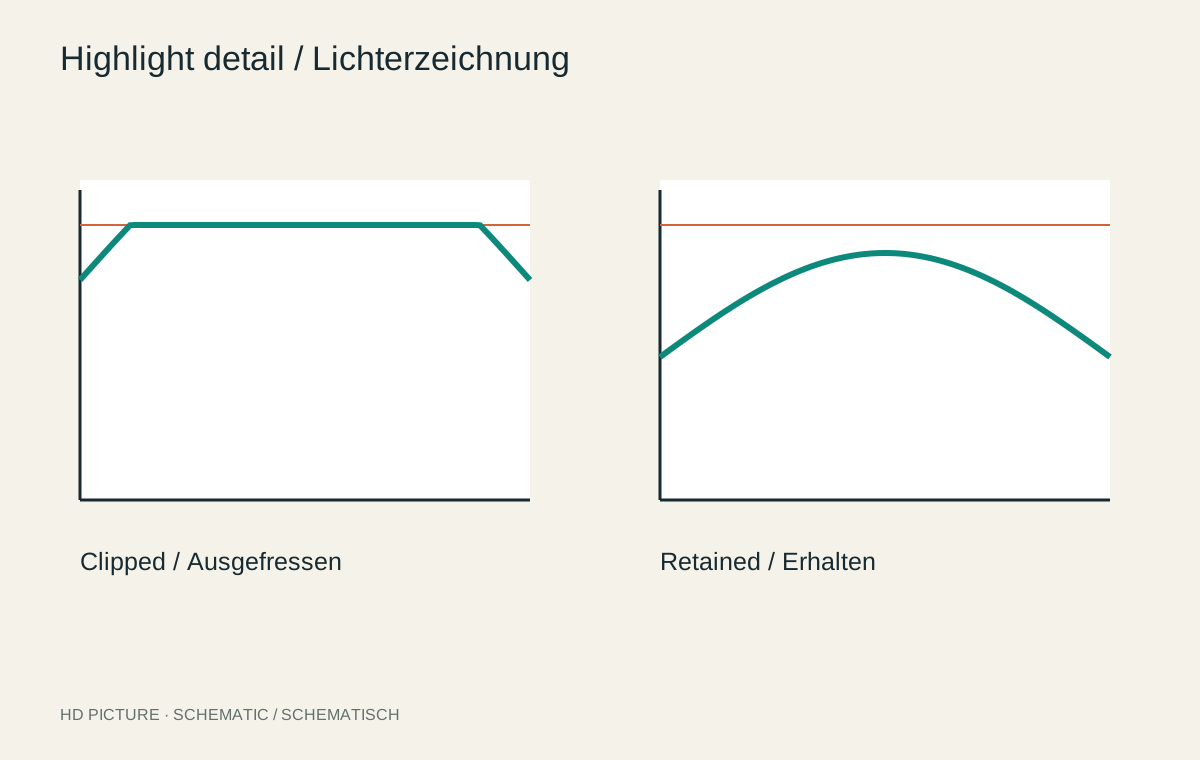
The whites of the eyes and teeth should not become pure white patches either. Excessive brightening stands out against the rest of the lighting. View the finished photograph at its intended size and compare it with the original. The main impression should be a clearer rendering of the same person, not a new face.
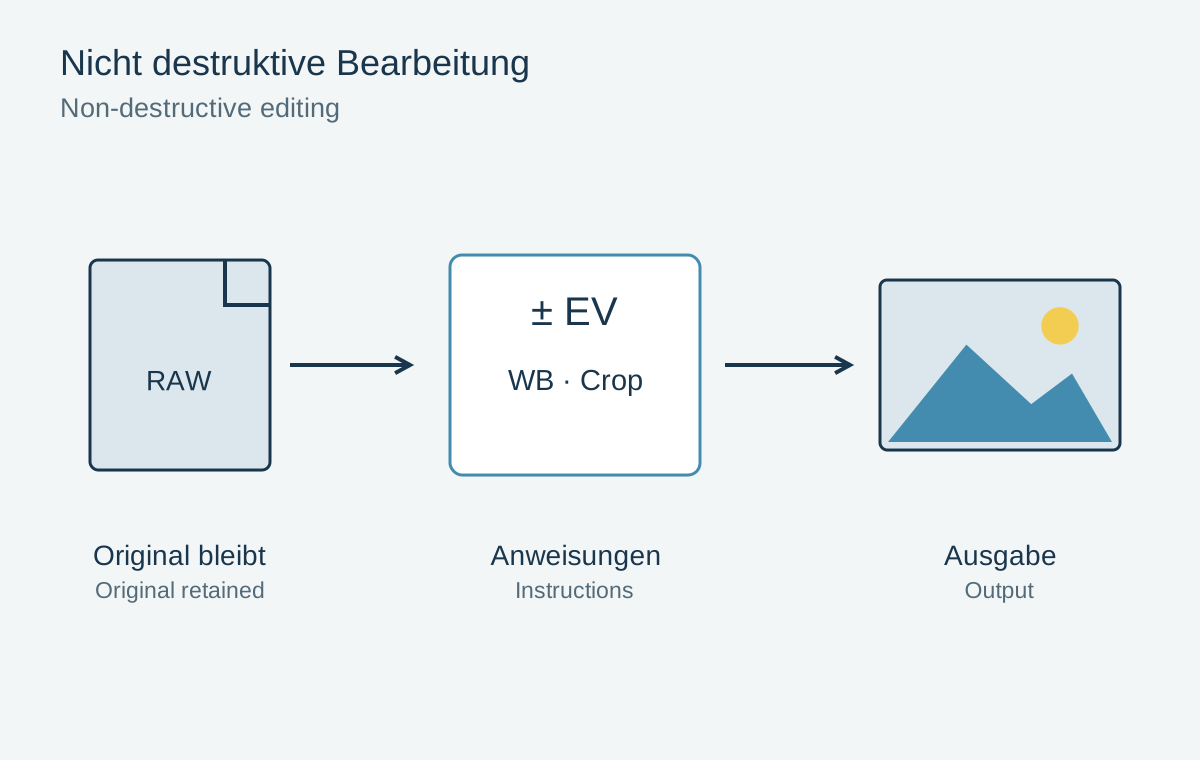
If uncertain, create a second, gentler version and compare both after a short break. During prolonged detail work, your eyes adapt to strong changes. A neutral intermediate view and the unedited capture help reveal this adaptation. Keep the retouching on a separate layer or as an editable adjustment.