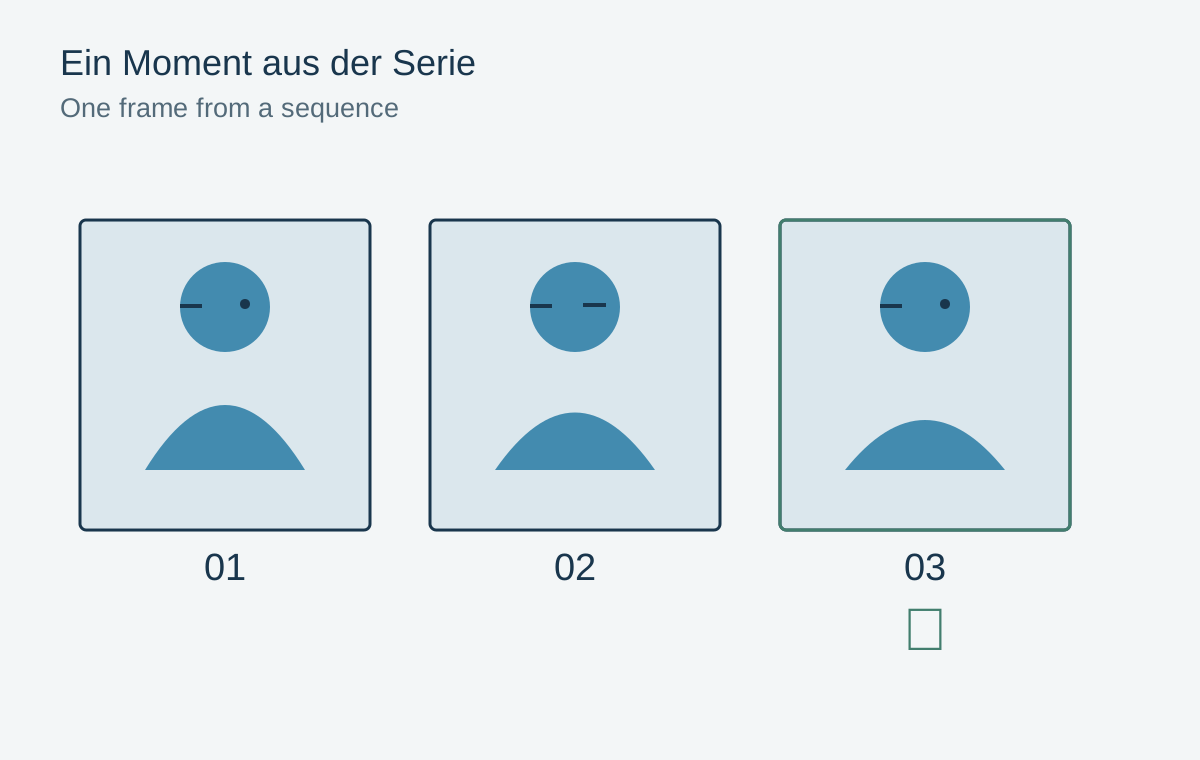
A short burst improves your chances of catching an expression or a useful position of a moving subject. It does not guarantee a good photograph: missed focus and an unsuitable shutter speed can affect the whole sequence. Its real value appears when comparing neighbouring frames. Between two nearly identical pictures, a hand may relax or a distracting passer-by may leave the background.
Keep the burst short and deliberate
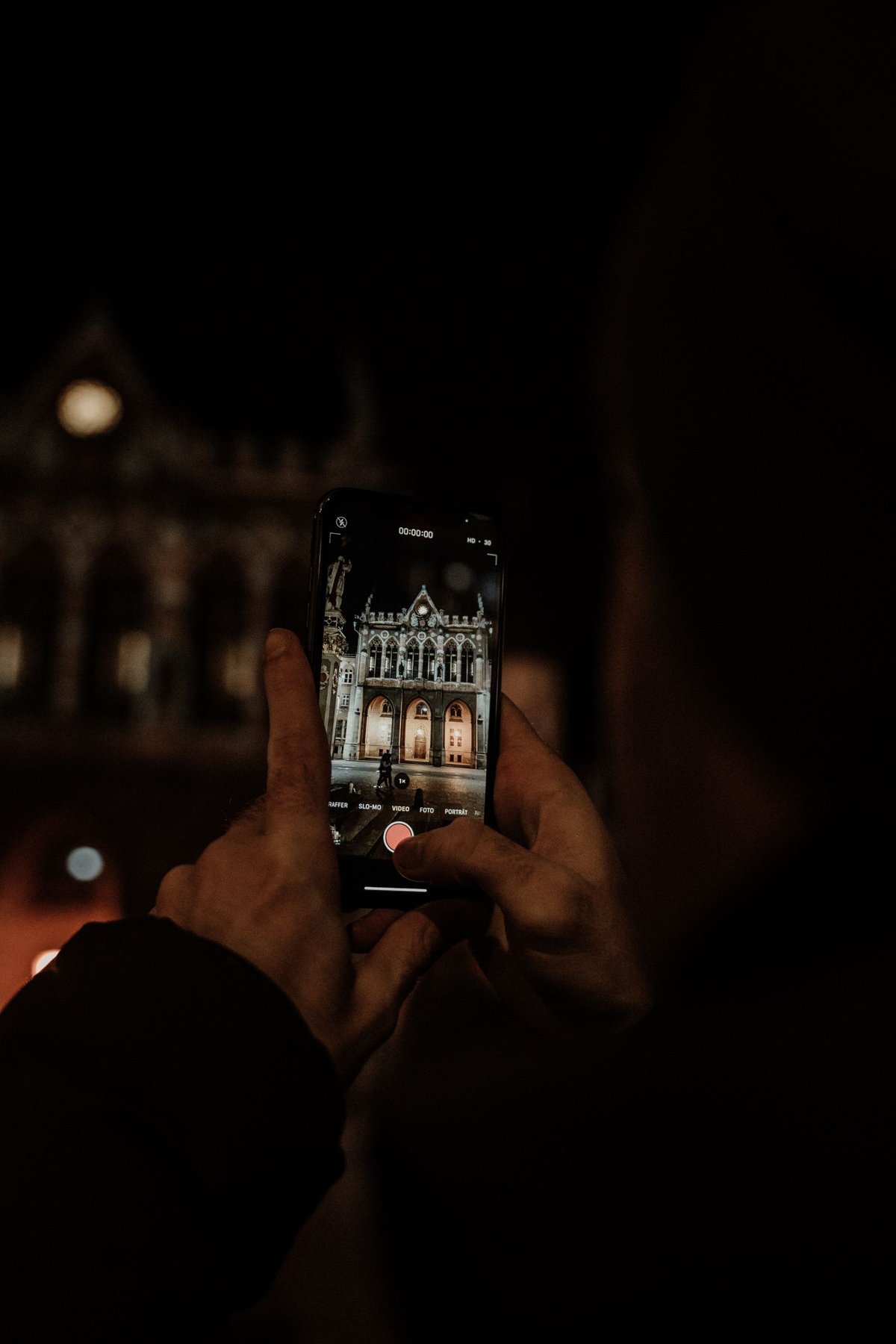
Practise how your camera app starts and stops a burst. Controls vary by model; some devices require a swipe on the shutter button. Start shortly before the expected moment and stop shortly afterwards. A very long sequence makes selection harder and consumes storage without automatically producing more useful alternatives.
For a jumping dog, frame the expected action area in advance. Leave space in the direction of movement. Track the subject calmly instead of repeatedly jerking the phone into a new composition. With a group, explain that you are taking a short sequence so nobody walks away immediately after the first frame.
Expression first, then technical checks
First view the sequence at a comfortable size and mark a few favourites. Look at open eyes, posture, overlapping people and the phase of movement. The highest point of a jump may be interesting; sometimes the landing and reaction communicate more. An app’s recommendation is a starting point rather than a binding decision.
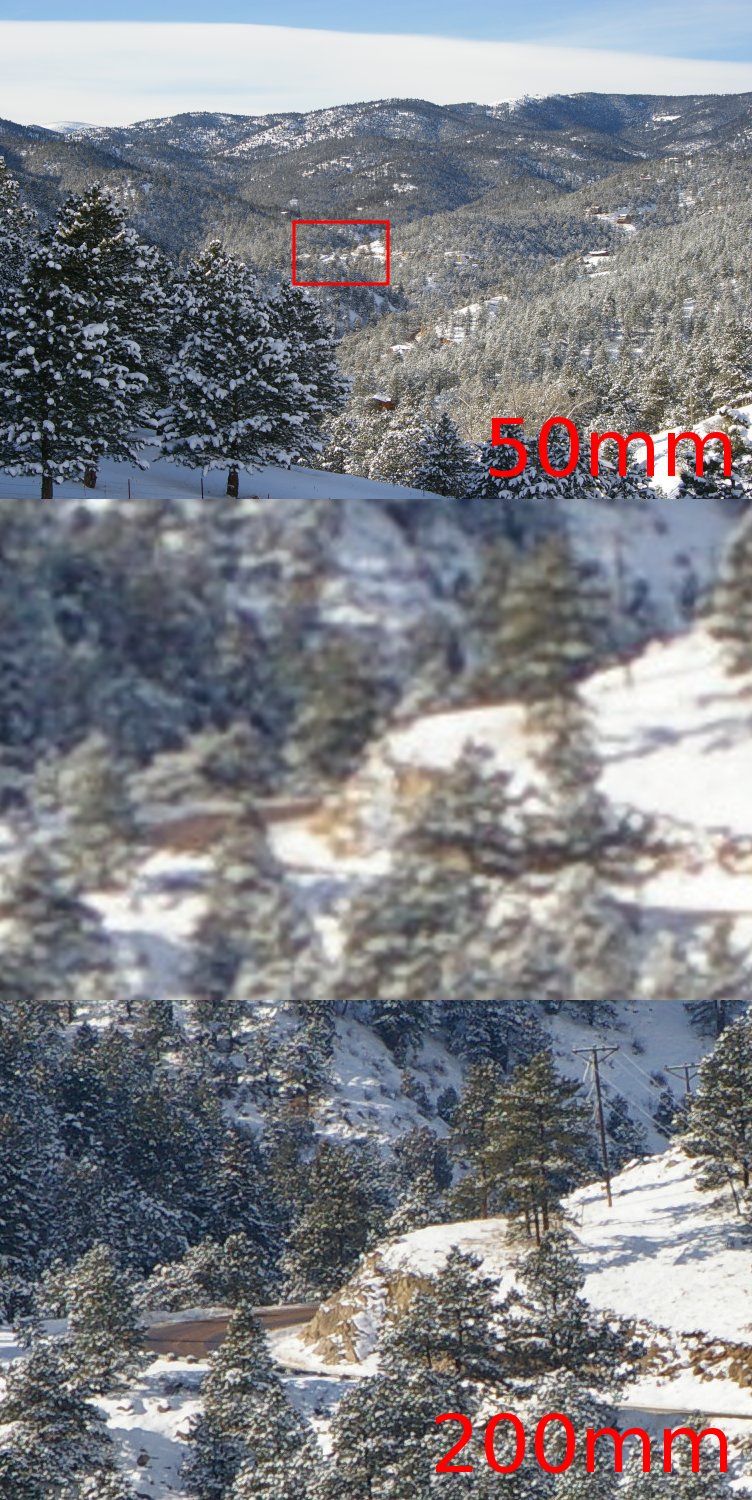
Then inspect the finalists at higher magnification. Is the important eye in focus, or the fence behind it? Do hands show unwanted motion streaks? A slightly softer picture may carry more feeling, but badly missed focus becomes obvious in a larger print. Decide in relation to the intended use.
Clean up without rushing deletion
Keep the selected photographs as independent files or confirmed favourites first. Check exactly what the app removes when you delete the rest of a burst. Synchronization can carry that deletion to other devices. Back up important originals before removing large numbers of files.
For a significant occasion, retaining two different versions can make sense: a wider scene and a stronger expression. Twenty nearly identical pictures are seldom more useful than a considered small selection. Name that selection or place it in an album so you do not have to repeat the decision later.