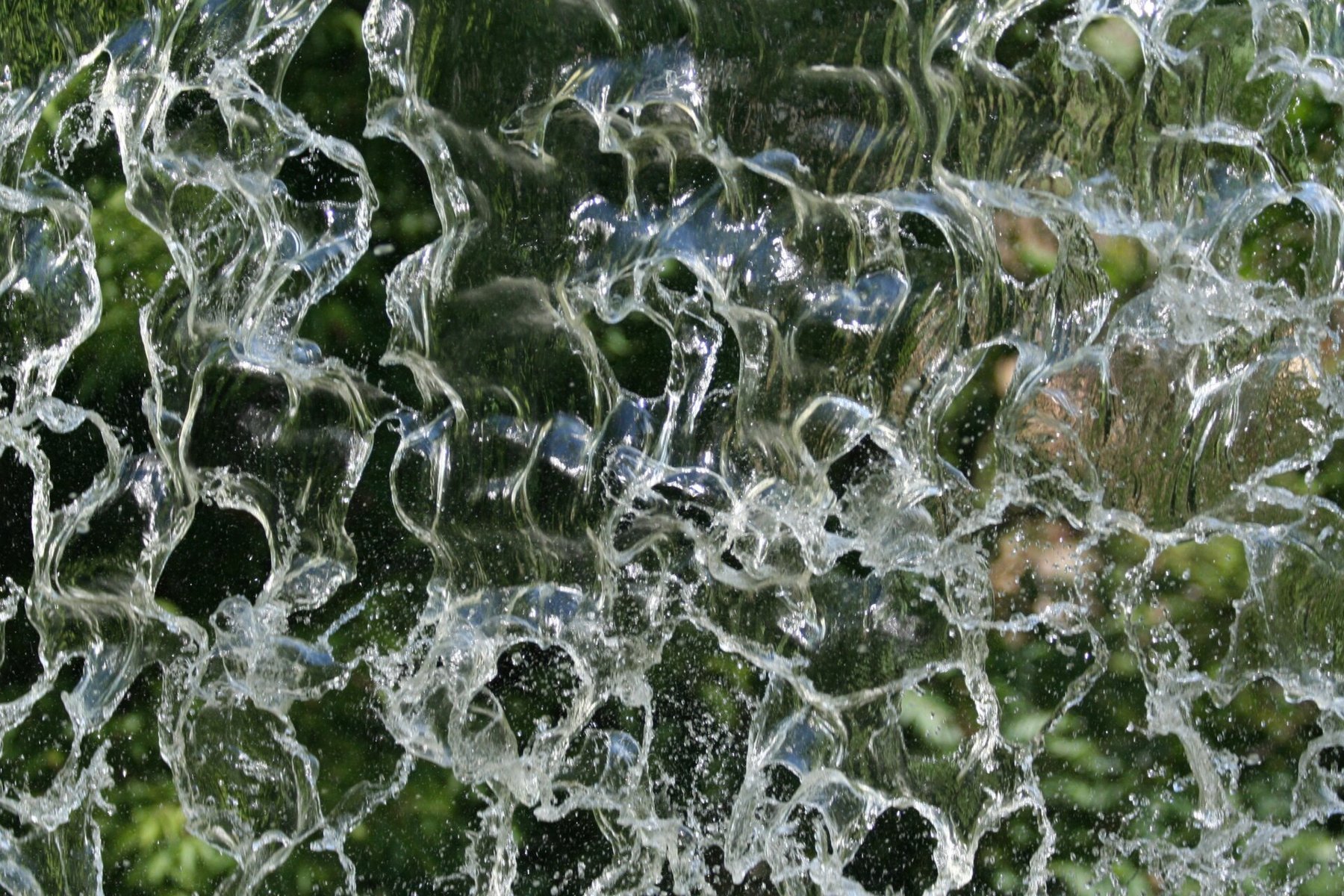
A flowing stream, a passing tram and an abstract row of trees do not require the same camera movement. For deliberate motion blur, ask what should remain still in the image. Sometimes it is the background, sometimes the moving main subject, and sometimes no individual object. Establish that reference before choosing a long exposure.
Still camera, moving subject
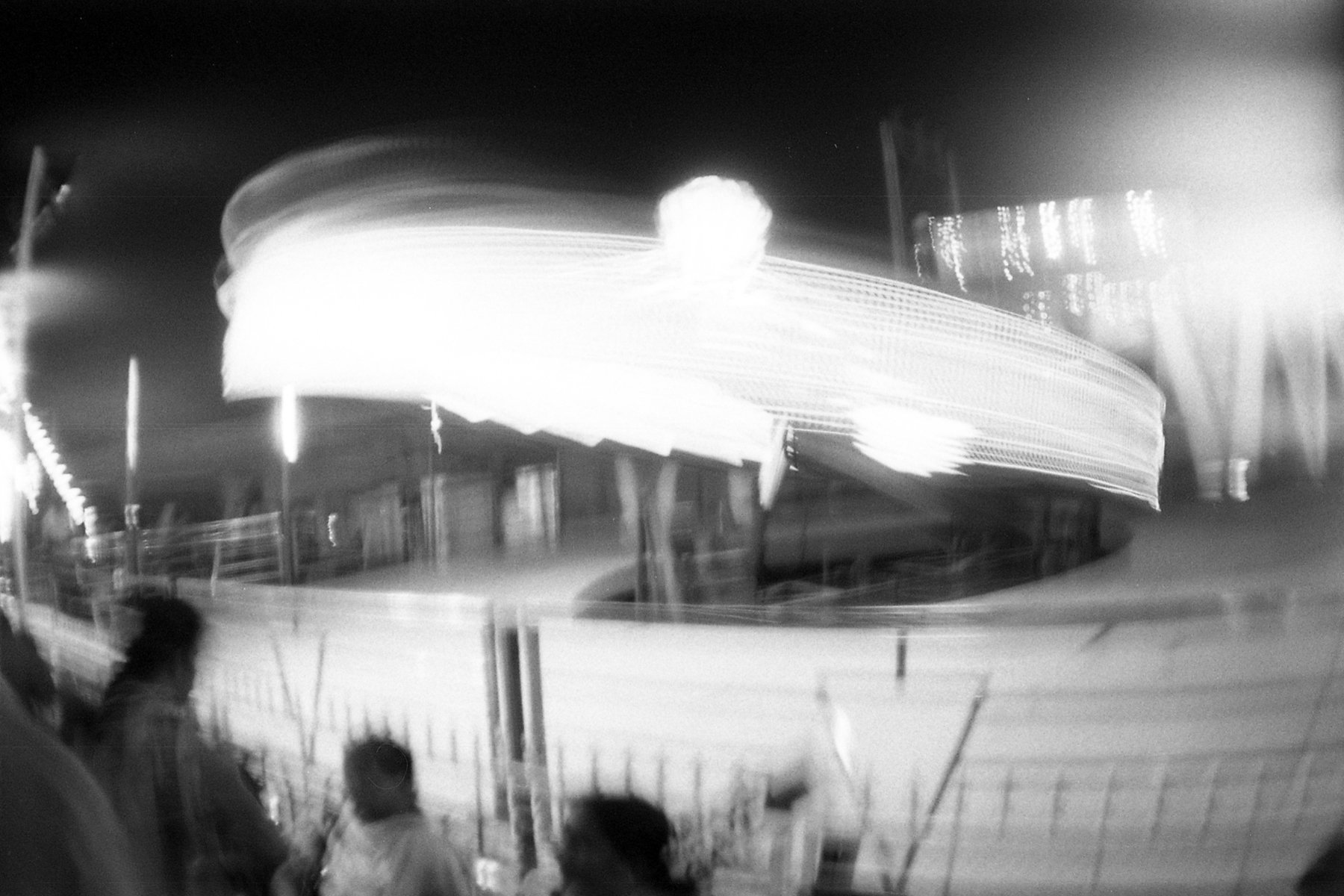
With a fixed camera, only moving parts blur provided the support remains stable. A railing beside passing pedestrians can anchor the scene. Start at, for example, 1/15 second and lengthen gradually. At very long exposures, people may nearly disappear if they occupy one position only briefly. The result therefore depends not only on their speed but on how long they cover the same image area.
Watch for unintended movement: wind can move leaves and straps, while a vibrating bridge can move the whole camera. After capture, magnify a stationary part. If that also smears, the intended still reference is missing. A shorter exposure, steadier position or different composition can make the photograph easier to read.
Panning and intentional camera movement
When panning, follow a moving subject so it stays approximately in the same frame position. The background then passes as streaks. Begin moving before release and continue afterwards. A moderate time such as 1/60 second is often easier to control than immediately attempting half a second. Lengthen only after you can retain a recognizable part of the subject.
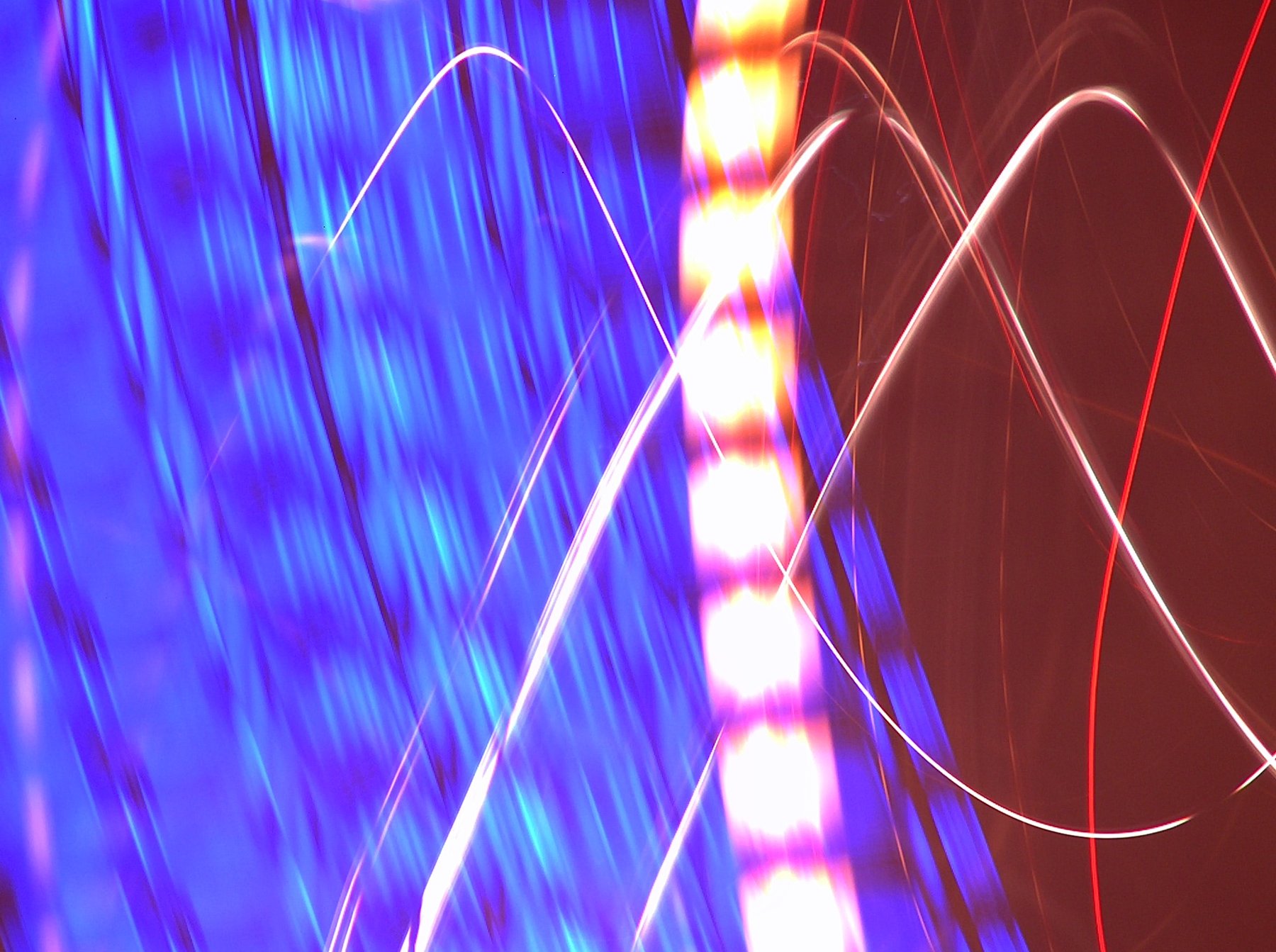
For an abstract photograph, the entire scene may flow. Vertical movement can extend tree trunks; horizontal movement can turn water and sky into colour bands. Choose a few clear colours and shapes. A scene full of tiny high-contrast details can quickly become disorderly. Movement direction should complement the subject’s structure or deliberately disrupt it.
Keep brightness under control
A longer exposure admits more light. If low ISO and your preferred aperture are insufficient, choose dimmer conditions or a suitable neutral-density filter. Do not automatically close the aperture all the way if you want to retain fine stationary detail. Make several versions and compare their readability: the longest trail is not automatically the most convincing representation of movement.