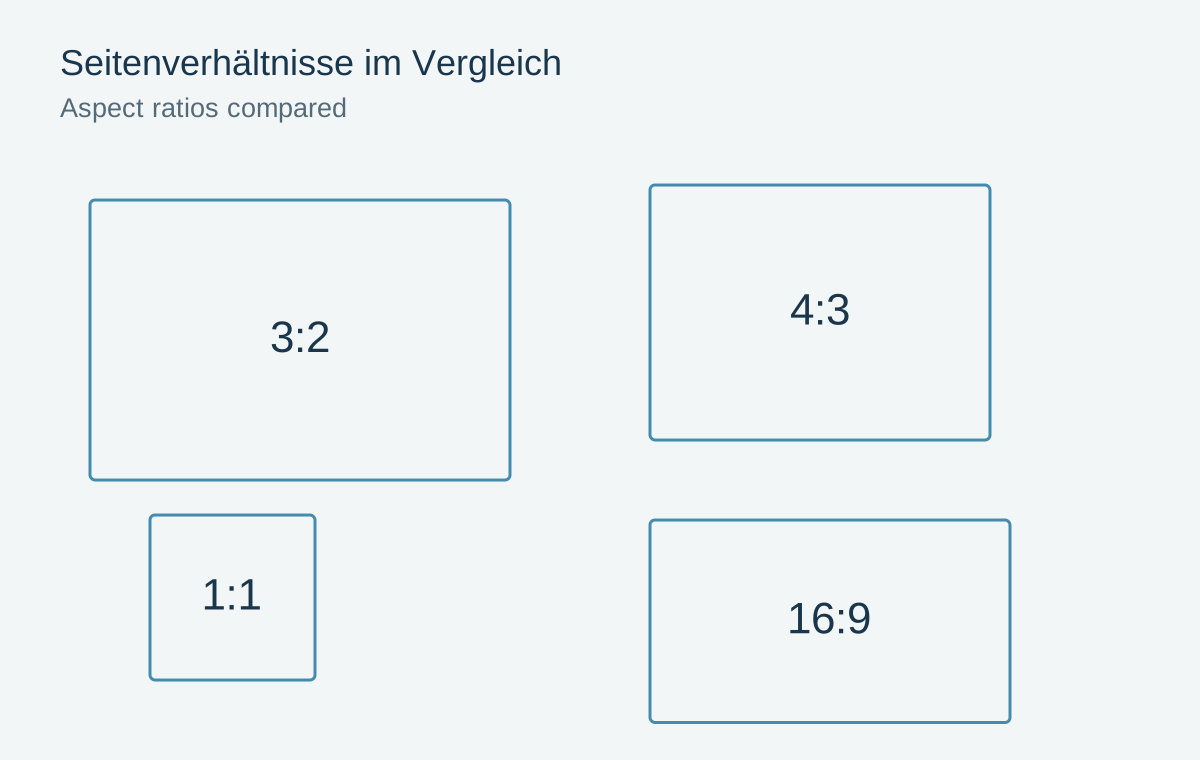
A photograph in 3:2, 4:3 or 1:1 can organize the same scene very differently. Aspect ratio describes width relative to height, not the number of pixels. A square can be small or high-resolution. Choose the shape for the subject and intended use first, then check whether enough image data remains for the output.
The edges participate in composition
A wide format can support a row of people or a landscape with horizontal lines. A taller format leaves more room for a standing person or vertical architectural structure. A square often emphasizes relationships around a centre, but it need not be filled symmetrically. What matters is which areas the boundary includes or excludes.
Try cropping the same photograph into several ratios. Check whether gaze direction, movement space and important secondary elements survive. A tight crop may remove a distracting sign but also cut off someone’s hand or their connection with the surroundings. Assess not only the main subject but the meaning of the space removed.
Plan for a known output
If the image must later fit a fixed frame or page area, consider that ratio during capture. Leave some reserve around heads, products and building edges. Matching camera guide lines can help. Check whether the camera actually saves a crop or merely supplies a preview or crop instruction.
Do not adapt an image by stretching width and height unequally. That changes proportions: circles become oval and faces wider. Use cropping or additional borders instead. For printing, distinguish fitting the complete image from cropping to fill the paper. The service’s preview shows which parts may be lost.
Keep the original and its versions
Keep the uncropped capture. A portrait format that works today may not suit a wide website area later. Export clearly named versions and inspect their pixel dimensions. A heavy crop reduces available resolution even when the new ratio works compositionally. This keeps the choice of image shape understandable and allows a different decision for another use.